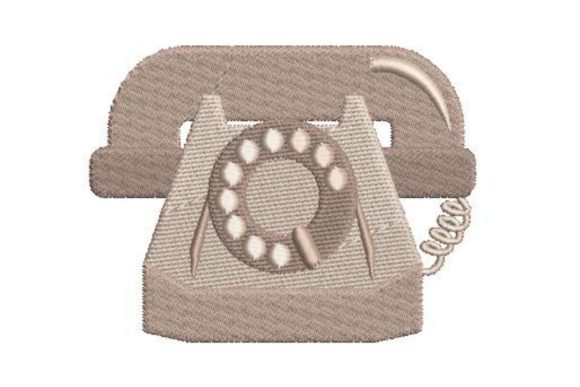
Evaluating Old Fashioned Telephone Embroidery Design
When I first spotted the Old Fashioned Telephone machine embroidery design on Creative Fabrica, I immediately started picturing it on a whole range of handmade products. As an Etsy seller who is always hunting for designs that feel both nostalgic and commercially versatile, this one caught my attention. The design promises a classic rotary phone silhouette, and that kind of vintage imagery tends to perform well across multiple craft business niches. Before I list any new design in my shop, though, I always run through a mental checklist: Does it look giftable? Will it photograph well? Is the stitch density practical for a tote bag or a sweatshirt? And most importantly, can I build a small collection of finished products around it? This review shares exactly that thought process for the Old Fashioned Telephone embroidery file, from a seller’s perspective.
Visual Personality and Market Appeal
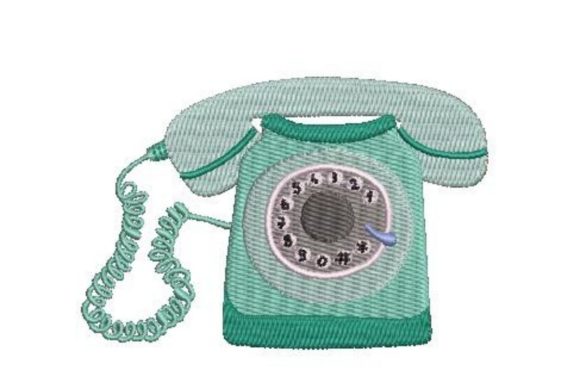
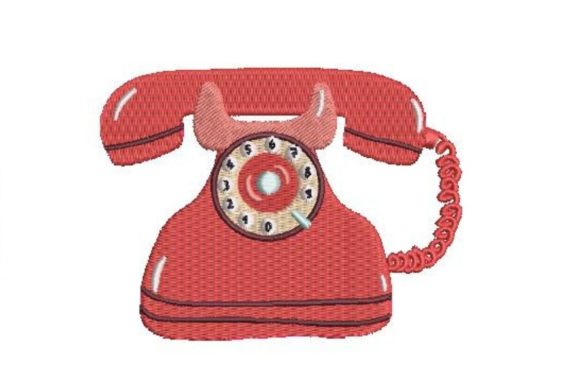
The Old Fashioned Telephone definitely leans into a classic, slightly rustic aesthetic. Based on the title and the product description hinting at an “old fashion touch,” I imagine a design with a rotary dial, curved handset, and perhaps a cord detail. To me, this is not a cutesy or overly playful motif; it feels more elegant, a little nostalgic, and even a bit premium. It sits somewhere between vintage home décor and timeless communication symbolism. That personality makes it a strong candidate for a lot of the handmade products I sell. I can see it appealing to buyers who love retro kitchen themes, to anyone shopping for a cozy, cabin-style or farmhouse look, and to customers hunting for thoughtful personalized gifts with a story behind them.
For a seller, this kind of design offers a unique advantage: it’s distinctive enough to stand out in a crowded Etsy feed, but it’s not so niche that it limits your buyer base. I can imagine it on a tote bag right next to a floral bouquet, or on a kitchen towel paired with a vintage recipe card print. The Old Fashioned Telephone fits neatly into the House category on Creative Fabrica, which makes sense—it’s a design that feels right at home on domestic textiles and small décor items.
Best Product Applications for This Design
One of the first things I do when evaluating a new digital embroidery file is map out the exact products I would create with it. The Old Fashioned Telephone opens up a surprising number of possibilities. Here are the top applications I’m considering for my own small shop:
- Embroidered tote bags – A simple, unbleached cotton tote with this design stitched in one or two thread colors could become a bestseller. The vintage phone motif gives off a bookish, thoughtful vibe that appeals to eco-conscious shoppers and literary fans alike.
- Sweatshirt embroidery – Placed on the chest or on a sleeve, the design adds a retro accent to unisex crewnecks. I’d test it on heathered oatmeal or forest green fabric for an instant cozy feel.
- Kitchen towel embroidery – A classic rotary phone pairs beautifully with checkered or striped linen towels. This is the kind of item that sells well at craft fairs and as housewarming gifts.
- Pillow covers – A single statement design on a square cotton or velvet pillow cover can elevate a living room or reading nook. The Old Fashioned Telephone would work especially well in a monochrome palette or with muted retro colors.
- Embroidered patches – If the design stitches out cleanly at a smaller size, I could turn it into a sew-on patch. Patches are low-cost, high-margin, and easy to ship.
- Baby blankets and children’s apparel – While the design itself isn’t overtly childlike, a soft pastel version on a baby blanket or a tiny denim jacket could charm parents looking for something unique and non-cartoonish.
- Personalized gifts – I picture adding a name or a date beneath the telephone, turning it into a commemorative piece for grandparents, anniversary gifts, or even a retirement present.
The Old Fashioned Telephone also lends itself well to seasonal collections. Think of a “cozy autumn calls” mini-collection with fall-toned thread on hoodies, or a Valentine’s gift line featuring romantic call-me-maybe-inspired packaging. The design’s versatility is a real asset for a small shop owner who wants to create multiple listings from one embroidery file.
How Old Fashioned Telephone Enhances Your Product Listings
From a buyer’s perspective, a product needs to feel special, giftable, and easy to imagine in their own home. The Old Fashioned Telephone helps with all three. It’s instantly recognizable, so it triggers a warm, nostalgic emotion even in a tiny Etsy thumbnail. The vintage silhouette looks professional and intentional, which can elevate the perceived value of a handmade product. When a customer sees a tote bag or a sweatshirt with this design, it doesn’t scream “cheap heat transfer”—it looks like a carefully chosen piece of art.
For photography, the design is a dream. A rotary phone is a storytelling prop all on its own. You can style a finished product with an actual vintage phone, a coiled cord, or even a handwritten note to create a cohesive printable mockup or social media preview. This narrative quality makes your listing photos more engaging, and that often translates to higher click-through rates on Etsy and more saves on Pinterest. I’ve learned that buyers are drawn to products that feel like they belong to a lifestyle, and a classic telephone design can help you build that gentle, analog aesthetic across your entire shop.
Stitching and Seller Considerations
Before I invest time in a new design, I always think about the technical side. Since the Old Fashioned Telephone product description on Creative Fabrica is brief, I’ll need to confirm several details directly on the product page before purchasing. The listing says it comes with multiple embroidery file formats, which is standard for Creative Fabrica, but I want to check which formats are included and whether they’re compatible with my machine. I also need to verify the hoop size—a rotary phone design with a coiled cord could be quite detailed, so I need to know if it fits within my most commonly used hoops for small goods like patches and towel corners.
Stitch density is another factor I always examine. A design with too many dense stitches can cause puckering on lightweight fabrics like cotton tea towels or thin sweatshirt material. If the Old Fashioned Telephone has a lot of fine line work or small filled areas, I’ll need to use the right stabilizer and possibly adjust my machine’s tension settings. I recommend doing a test stitch-out on a fabric that closely matches your intended product. This not only reveals any density issues but also lets you experiment with thread colors. I’d start with a vintage cream, charcoal, or muted mustard thread to see what brings out the classic feel the best.
Another practical tip: check the readability of the design at the size you’ll display in your listing thumbnail. A rotary phone has a distinct shape, but if the handset or dial details become muddy when scaled down, you might lose that instant recognition. I’ll stitch a small sample, photograph it on a few different backgrounds, and see how it looks at the small preview size Etsy uses in search results. If the design holds up, it’s a keeper.
Creative Fabrica Licensing and Commercial Embroidery
As a seller, I need to know exactly what I can legally do with a finished product. The description for Old Fashioned Telephone doesn’t spell out the license terms, but Creative Fabrica generally offers a standard license that covers commercial use of physical end products. I always read the specific license attached to the design before I list anything. If I plan to sell the sewn-out patches or tote bags, I want to make sure the commercial embroidery use is allowed. I also check whether the license permits me to bundle the design on a physical product with other elements, or if I can use it in a printable mockup for promotional purposes without violating digital resale restrictions. This due diligence protects my small shop and keeps everything above board.
Testing and Photography Tips for Sellers
Once I have the embroidery file, my workflow looks like this: I create a sample stitch-out, ideally on three different fabric types—a medium-weight cotton, a soft fleece, and a linen blend. This gives me a realistic understanding of how the Old Fashioned Telephone behaves on each. I photograph the samples in natural light, with props that reinforce the vintage theme. A few coffee beans, an old letter, or a sepia-toned book can instantly build a scene that tells a story. Those photos become my Etsy listing images, and I also use them for social media previews and product mockups.
I also take a close-up shot to show the stitch quality. Buyers love to see the texture of machine embroidery, and a clear close-up can justify a higher price point. If the design includes delicate elements like the telephone cord, I make sure those details are crisp and well-defined. Sometimes a design looks perfect on screen but loses its charm when the thread doesn’t lay smoothly. Testing helps me avoid any customer disappointment and returns.
Final Thoughts on Adding This Design to Your Shop
Overall, the Old Fashioned Telephone machine embroidery design feels like a smart addition for a small shop owner who wants to expand into vintage-inspired handmade products. It’s not a fleeting trend; it’s a classic motif that can stay relevant season after season. The commercial potential is clear—from tote bags and sweatshirts to kitchen towels and personalized gifts, this design can anchor a cohesive collection that feels both nostalgic and fresh. Its visual personality supports a premium, giftable feel that buyers instantly recognize and appreciate.
Of course, I’ll always recommend testing the design thoroughly before you scale up your production. Confirm the hoop size, check the stitch density, and make sure the Creative Fabrica license aligns with your selling plans. But if the technical details check out, the Old Fashioned Telephone could become one of those quiet, reliable sellers that brings a steady stream of happy customers to your craft business. I’m adding it to my next test batch, and I have a feeling it will be ringing up sales in no time.