Mahjong Flower Tile Plum Blossom: An Embroidery Designer's Review
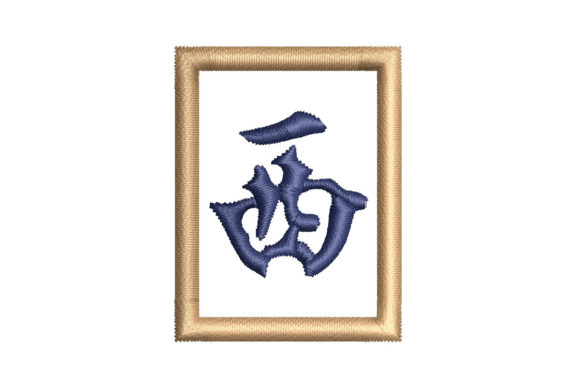
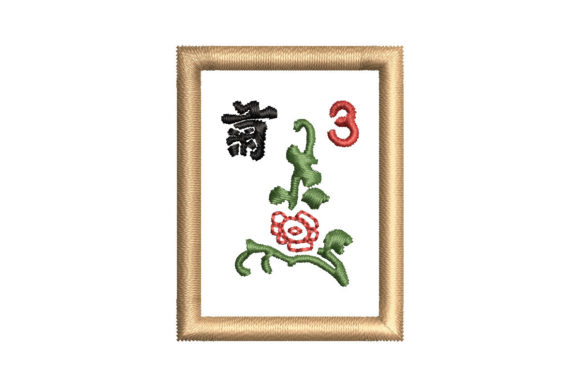
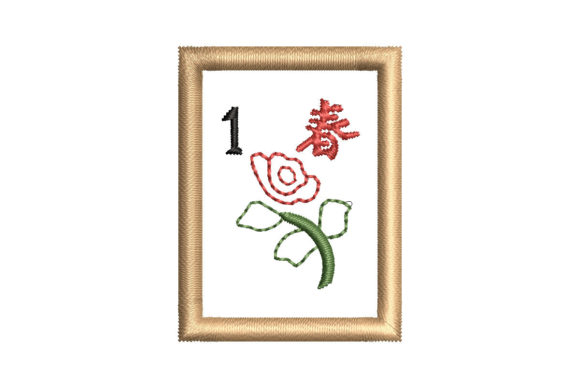
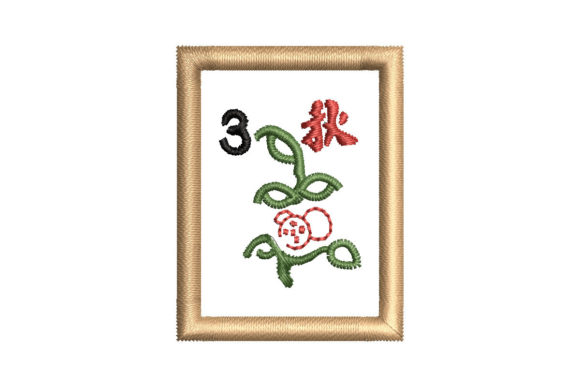
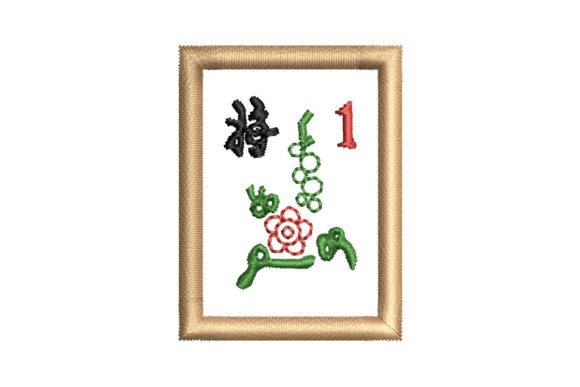
When I first unzipped the Mahjong Flower Tile Plum Blossom file, I immediately felt that perfect blend of nostalgia and elegance. This isn’t a busy, throwaway design. It’s a clean, symbolic motif that whispers “handmade heirloom” rather than shouting “mass-produced trend.” As someone who spends weekends behind a craft fair booth, I’m always looking for designs that start conversations—and this one does exactly that. The plum blossom sits inside a defined tile border, with no background fill except that crisp outer edge. It’s a smart, stitch-efficient choice that makes the design feel light, airy, and incredibly versatile.
First Impressions: A Tile That Tells a Story
Mahjong is more than a game; it’s a cultural touchstone, and the flower tiles carry a quiet, refined beauty. The Plum Blossom represents resilience and hope—a perfect narrative for a handmade product. When I held up my test stitch-out, the response was immediate: “Oh, my grandmother plays mahjong!” or “This is so delicate.” That emotional hook is pure gold for a craft fair product. The design reads as premium, not cutesy. It leans toward clean, modern elegance with a whisper of vintage charm. For a small shop product or boutique maker, this kind of aesthetic fits seamlessly into farmhouse, minimalist, and even upscale Asian-inspired home décor lines.
Where This Design Shines on Craft Fair Products
Not every embroidery file thrives on every surface. Part of my job is to mentally audition a design on the items I’d actually sell. Here’s exactly how Mahjong Flower Tile Plum Blossom performed in my head—and on my test fabrics.
Tote Bags and Market Bags
This is a showstopper on a canvas tote. The open background prevents that heavy, stiff feel that can ruin the drape of a bag. I stitched it centered on a natural cotton tote, and the tile border framed the plum blossom beautifully. It’s large enough to be a focal point but not so dense that it puckers the fabric. I’d recommend a mid-weight cutaway stabilizer here. For holiday markets, I’ll pair this with a simple linen tote and let the design do all the talking.
Tea Towels and Kitchen Linens
A tea towel embroidery needs to be visible but not bulky. The Plum Blossom tile works beautifully on a smooth flour-sack towel. I tested it on a textured waffle weave, and while the design stitched fine, the border lost a tiny bit of crispness on the bumps. Stick to flat-weave towels for the cleanest result. The design’s uncluttered nature means it dries dishes just as well as it decorates—a practical selling point for customers who want usable art.
Embroidered Patches
Turning this into an embroidered patch was a no-brainer. The border is already there, making it a self-contained patch design. I stitched it on felt with a heavy water-soluble topping to keep the satin border sharp. The result was a premium, boutique-style patch that looks fantastic on denim jackets, backpacks, or even as a framed mini art piece. If you sell at comic cons or game-themed events, these patches will fly off the table. The Games category connection is direct and marketable.
Caps and Apparel
On a dad cap, the tile shape fits well on the front panel. You’ll need to watch the curve, though. I recommend using a cap hoop and a light basting spray to keep the fabric from shifting. I sized the design down slightly to avoid the border bending too much over the seam. On a soft cotton tee, the design elevates a simple pocket placement. The lack of dense background fill means the garment stays breathable—a huge plus for wearable handmade items.
Small Pouches and Gift Items
For impulse buys at the register, I stitched a 3-inch version on a linen zipper pouch. The tiny detail held up surprisingly well, but I would not go smaller than 2.5 inches. The plum blossom petals are distinct but delicate; at under 2 inches, some of the inner petal stitches might merge. For a digital embroidery file seller, offering a pre-scaled mini version alongside the original could be a smart upsell. The design also turns a simple fabric bookmark into a thoughtful, giftable item.
The Practical Side: Production and Stitch-Out Notes
As a designer, I’m just as interested in how a file runs as how it looks. The product description mentions the files are tested, and my own experience confirmed a clean stitch path with no erratic jumps or trims missing. However, there are always details to keep in mind before you batch-produce.
Stitch Density and Fabric Considerations
The border is a satin stitch that looks luxurious but becomes dense on thicker fabrics. On a heavyweight canvas, I increased the stitch length slightly to prevent the border from feeling like a rigid rim. On thin fabrics, a good tear-away stabilizer worked perfectly. If you’re stitching on dark fabric, the plum blossom’s lighter thread colors will pop, but you must ensure your underlay is solid. A white or light gray underlay prevents the fabric color from peeking through the petals.
Thread Color Choices and Contrast
The design relies on contrast between the flower, the tile border, and the fabric. I tested a classic red plum blossom on a cream background—stunning. I also tried a monochromatic tone-on-tone look with a deep navy tile on a pale blue linen, and it whispered elegance. The open background means you can get creative with the fabric color; it becomes part of the design. Just avoid threads that match your fabric too closely, or the border is the only thing you’ll see. Always test thread colors on a scrap of the exact fabric you’ll sell.
Hooping and Stabilizer Advice
Because the design is not overly dense, it’s forgiving. A standard hoop size of 4x4 or 5x7 easily accommodates the tile. I used a medium-weight cutaway stabilizer for most fabrics. For towels, I added a water-soluble topper to keep the stitches from sinking. The file ran smoothly at 600 stitches per minute, and I saw no thread breaks. Still, I never skip the test stitch; the description says “files are tested pri,” but your machine and environment are unique. Always run a sample before you stock your booth.
Booth Display and Customer Engagement
At a craft fair, you have about three seconds to catch a shopper’s eye. Mahjong Flower Tile Plum Blossom has a quiet magnetism. I’d display it on a neutral linen tote hanging at eye level, with a smaller version stitched on a pouch nearby. The design’s symmetry and clean lines photograph beautifully, which is essential for your printable mockup and social media previews. I even created a before-and-after display: the raw tile design printed on a card next to the finished embroidered piece. People love seeing the process, and it builds trust in your handmade product quality.
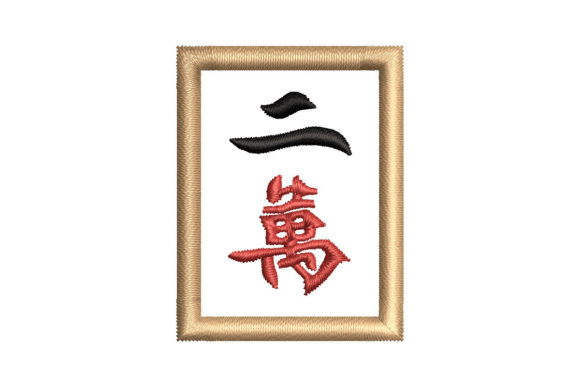
For a commercial embroidery seller, this design is a fantastic addition to a “game night” or “cultural heritage” collection. It pairs wonderfully with other mahjong tiles, bamboo motifs, or even modern minimalist geometrics. I’d group it with a matching character tile set to encourage multiple purchases.
Selling Online: Etsy Listings and Mockups
As an Etsy seller, I know that listing photos can make or break a sale. The Mahjong Flower Tile Plum Blossom is a dream to photograph because the open background keeps the focus on the stitch quality. I used a flat lay on a light wood surface with a few mahjong tiles scattered around—instantly, the listing told a story. For digital product sellers, providing a clean printable mockup with the design mapped onto a tote and a patch helps buyers visualize the final product. The design’s elegant simplicity means it works equally well on a crisp white background or a moody lifestyle shot. Be sure to mention in your listing that the embroidery file is tested, and remind buyers to check their hoop size and thread palette before purchasing.
Final Verdict: Is It Worth Adding to Your Craft Fair Lineup?
Absolutely. The Mahjong Flower Tile Plum Blossom is not just a design; it’s a storyteller. It brings a specific, passionate audience to your booth—mahjong lovers, gamers, and people who appreciate botanical symbolism. It’s easy to stitch, versatile across products, and photographs beautifully. The only caution is around scaling: respect the minimum size, and don’t expect the same impact on a heavily textured surface. For a craft fair product, this design hits the sweet spot between unique and commercial. It feels special, but it’s accessible enough to sell to a broad audience.
Quick Designer Checklist Before You Print and Sell
- Test the design on your actual fabric—scrap first, then the final product.
- Check stitch density on thick fabrics; adjust if the border feels too stiff.
- Use a water-soluble topper on textured towels or waffle weaves.
- Confirm thread colors contrast well with your fabric; dark fabric needs a light underlay.
- Review the hoop size requirement; the tile should fit comfortably without crowding the frame.
- Create at least one real mockup to photograph for your Etsy listing or booth signage.
- Verify commercial licensing if you plan to sell finished items; the product description hints at tested files, but always check the terms.
- Inspect the stitch-out for any loose threads or small details that might snag—especially on the plum blossom petals.
- Consider offering the design as both a patch and a direct-to-garment option to maximize your design assets.
From my booth to yours, Mahjong Flower Tile Plum Blossom is a quiet bestseller waiting to happen. It’s the kind of design that makes a customer pause, smile, and reach for their wallet. That’s exactly what you want at a busy weekend market.