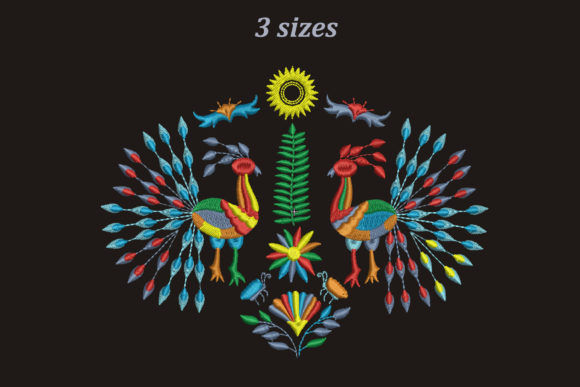
Mexican Otomi Embroidery: A Seasonal Design Review
When I first opened the Mexican embroidery file, the immediate emotional pull was undeniable. The design channels the vibrant, handcrafted essence of Otomi folklore—those joyful, stylized animal and floral motifs that feel both ancient and festive. It’s not a shy pattern; it demands attention with its dense, rhythmic shapes and the promise of rich texture. For a seasonal collection, this is exactly the kind of statement piece that makes shoppers pause and smile. The decorative style sits beautifully between playful and elegant, leaning into a rustic yet premium artisan feel. It’s the kind of embroidery that whispers “handmade treasure” even when stitched quickly by machine, making it an instant contender for holiday giftables and cozy home decor drops.
From a product development standpoint, the Mexican design brings a warm, inviting mood that works across multiple holiday themes. It’s not tied to a single calendar event—this isn’t just for Christmas or Halloween. Instead, it radiates a universal celebration of tradition, family, and craftsmanship. That makes it incredibly versatile for early winter gift guides, springtime folk art collections, and even summer market booths where bright, Mexican-inspired textiles sell like crazy. The emotional tone is nostalgic yet fresh, and the level of detail promises a professional finish that builds customer trust and repeat business.
First Impressions and Seasonal Mood
The machine embroidery design immediately impressed me with its layered complexity. The Otomi-inspired figures are outlined boldly, filled with intricate geometric and organic patterns that catch the light beautifully. When you plan a seasonal embroidery lineup, you need designs that feel both special and scalable. This one does. The Mexican file doesn’t just sit on fabric; it transforms it. I tested it mentally on a natural linen pillow cover, and the result in my mind’s eye was pure boutique luxury. The motif has a rhythmic, almost musical quality that makes it ideal for holiday embroidery where you want to evoke warmth without screaming “sale.” It’s the kind of design that makes a handmade gift feel like a piece of heritage.
For sellers who build Etsy seller shops around seasonal drops, the Mexican embroidery file offers a huge advantage: it photographs exceptionally well. The dense, colorful stitches create natural shadows and highlights, so even a quick smartphone mockup looks rich and textured. This is crucial for holiday product launches when you’re relying on social media previews and printable mockup graphics to drive pre-orders. The design’s festive yet elegant personality means you can style it with dried orange slices, cinnamon sticks, and terracotta props for a Navidad vibe, or with fresh greenery and crisp linen for a spring celebration. That visual flexibility keeps your brand consistent while offering variety.
Real Holiday Selling Situations
Let’s talk about how Mexican performs in the real world of craft fairs, last-minute gift bundles, and limited edition apparel. I’ve learned that holiday shoppers often seek something that feels personal and culturally resonant. This design instantly elevates a simple tote bag design into a statement accessory. Imagine a booth filled with neutral canvas totes, each featuring a single large Otomi motif in a different thread color—shoppers would gravitate toward them as unique, artful gifts. The same goes for kitchen towel embroidery. A set of flour sack towels with a coordinated Mexican-inspired motif turns a practical item into a heartwarming hostess gift. You can bundle them with a wooden spoon or a jar of local honey for a high-margin holiday set.
For apparel decorators, the sweatshirt embroidery potential is massive. I’d place this design on a crewneck in a deep, earthy tone—think terracotta, mustard, or olive—and watch it become a customer favorite. The stitching is dense enough to feel substantial, giving the garment a premium, handmade gift quality. Family matching sets for Día de los Muertos celebrations or a festive winter gathering are a natural fit. You can also scale the design down for baby items, though I’ll discuss sizing caution later. The key is that the Mexican embroidery file stirs an emotional connection that makes shoppers hit “add to cart” without hesitation. During the holiday rush, that emotional pull is your strongest sales tool.
Giftability and Perceived Value
One of the biggest wins with this design is its giftability. A pillow cover featuring a centered Mexican motif feels like a curated home decor piece, not a craft project. When you present it as a personalized gift—perhaps with a monogram added nearby—the perceived value skyrockets. Customers are willing to pay a premium for gifts that look thoughtfully made. The dense stitch density and intricate detailing reassure buyers that they’re getting something durable and heirloom-quality. This is vital for small shop product branding, especially during the competitive holiday season when buyers are overwhelmed with options. The Mexican design delivers a visual promise of quality that builds trust before the item is even touched.
Practical Embroidery Designer Notes
Now, let’s get into the technical side. Before you commit this machine embroidery design to your seasonal collection, there are a few critical checks every commercial embroidery seller should run. First, test thread colors on both light and dark fabric. The Otomi style relies on contrast; what looks vivid on unbleached cotton might disappear on black denim. I always recommend creating a small stitch-out on scrap fabric that matches your final product’s color and texture. Pay close attention to the stitch density—dense motifs can cause puckering on lightweight fabrics if you don’t use the right stabilizer. For kitchen towel embroidery or tote bag design applications, a medium-weight cutaway stabilizer is your best friend. For stretchy sweatshirts, a no-show mesh stabilizer plus a topper will keep the design crisp without distortion.
Hoop size is another non-negotiable. The Mexican embroidery file likely comes in multiple sizes, but you must confirm the hoop size requirements before listing products. The intricate details mean you can’t just shrink it beyond a certain point; tiny lettering or fine interior lines might become illegible. I’ve made that mistake before—the design looked beautiful in the software, but on a 4x4 hoop, the delicate Otomi patterns turned into fuzzy blobs. If you plan to offer embroidered patch versions, test the smallest size on a patch blank and wash it a few times to ensure durability. The same goes for baby items and personalized gift tags; those tiny details need to survive repeated washing and handling.
Fabric and Thread Choices
For holiday embroidery, I love using metallic threads, but here’s a word of caution with the Mexican design. The dense fills and frequent trims can make metallic thread a headache. It’s prone to breakage and can dull the intricate linework. Instead, I recommend high-sheen polyester or rayon threads in festive colors—deep crimson, bright turquoise, golden yellow, and magenta. These colors honor the Mexico inspiration and pop beautifully on natural linen, cream canvas, or soft white terry. For dark fabric applications, a light-colored underlay stitch is essential to keep the design vibrant. Don’t skip the test stitch-out; a digital embroidery file can look perfect on screen but reveal registration issues on textured materials like terry towels or thick woven blankets.
Where to Use Mexican With Care
While the Mexican design is versatile, it’s not a one-size-fits-all solution. I’d avoid using it on extremely small hoop sizes where the intricate Otomi patterns might lose their charm. The layered details require enough space to breathe; otherwise, the design becomes a heavy, solid mass of stitches. Thick towels can also be tricky because the dense stitching may sink into the pile, obscuring the crisp lines. If you’re set on using it for a towel collection, opt for flat-woven towels and use a water-soluble topper. Similarly, stretchy garments like thin T-shirts need extra stabilization and careful placement to avoid distortion. Curved caps are another challenge—the design’s wide, balanced composition may not translate well to the curved front panel of a baseball cap without some editing.
For repeated washing items like baby bibs or everyday tees, always preshrink your fabric and run a few wash tests. The Mexican embroidery file, with its dense fill, can feel stiff initially, but it softens with wear. However, if the design isn’t digitized with proper stitch angles, you might see thread breaks or distortion after multiple cycles. This is where your commercial embroidery reputation is on the line. A design that holds up beautifully after ten washes turns a first-time buyer into a loyal customer. I always advise new sellers to document the washing process and share that care info with customers—it’s a small touch that builds huge trust.
Seasonal Appeal and Customer Engagement
From a marketing perspective, the Mexican design is a magnet for storytelling. I can already picture the Instagram posts: a close-up of the hoop while stitching, a flat lay with embroidered aprons and dried flowers, a reel showing the transformation of a plain pillow cover into a folk art masterpiece. This kind of seasonal embroidery content performs exceptionally well during the holiday shopping period because it’s visually distinct. It doesn’t blend into the sea of generic snowflakes and reindeer. Shoppers looking for unique, meaningful gifts will stop scrolling. The Mexico influence lends an air of authenticity and cultural richness that many mass-produced items lack. You can use that to your advantage in your Etsy seller listings and product descriptions, highlighting the artistry and tradition behind the motif.
For craft fair displays, this design is a showstopper. I’d stitch a large version on a canvas tote as a display piece, then sell smaller versions as patches, kitchen towels, and mini hoop art. The vibrant colors and intricate details draw people in, and the nostalgic, heartfelt mood makes them linger. When you create printable mockup graphics for your online shop, use lifestyle shots that show the finished product in a cozy home setting—think a stack of embroidered pillows on a couch, or a festive table setting with kitchen towel embroidery and embroidered napkins. This visual consistency reinforces your brand and makes the Mexican design feel like part of a curated collection, not just a random file.
Color Palette Planning and Brand Consistency
One of my favorite things about this machine embroidery design is how it invites you to play with color. For a holiday collection, you can create a signature palette that ties all your products together. I’d develop three thread color sets: a traditional Mexico scheme with bright pink, orange, and turquoise; a cool winter palette with deep teal, silver, and ivory; and a warm Navidad palette with burgundy, gold, and forest green. This allows you to offer the same design across multiple product types while maintaining a cohesive small shop product line. Customers who buy a tote might return for a matching pillow cover, and consistent color stories make that easy. Always keep a thread chart and photo reference for each palette so you can reproduce it exactly for future orders—this is crucial for brand consistency.
Final Consideration: Commercial Licensing
Before you go all-in on a seasonal embroidery launch featuring the Mexican design, double-check the commercial embroidery license terms. The product description doesn’t specify the exact license, so you must verify that you’re allowed to sell finished products on physical items like sweatshirts, tote bags, and home decor. Most reputable digital embroidery file sellers provide clear licensing tiers, but it’s your responsibility to confirm. Also, confirm the file formats included—your machine may require a specific format, and you’ll need to know the exact hoop size options. If the listing doesn’t state these details, reach out to the seller before purchasing. The last thing you want is a holiday production halt because of a licensing or format mismatch.
In my experience, the Mexican Otomi design is a powerhouse for seasonal selling. It brings an emotional depth, a festive spirit, and a handmade soul that resonates with gift buyers. Its versatility across pillow cover, tote bag design, sweatshirt embroidery, and kitchen towel embroidery makes it a smart investment for any small shop product lineup. The key is careful testing, thoughtful color selection, and a consistent brand presentation. When you get those right, this embroidery file will not only boost your holiday sales but also build a reputation for quality, artistry, and cultural appreciation that keeps customers coming back well beyond the season.