Monogram Letter K: A Designer’s Honest Review
When I first saw the Monogram Letter K machine embroidery design on Creative Fabrica, I immediately thought of the cross-stitch-look projects I’ve been collecting for boutique tote bags and cottagecore pillow covers. It’s not every day you find a monogram that blends the rustic charm of hand embroidery with the precision of a digital embroidery file. As a working embroidery designer, I’m always skeptical of how “fun and easy” a design truly is until I put it through its paces on real fabrics. So, I took a closer look at this design to see if it could hold up for personal handmade gifts, Etsy listings, and even small-batch commercial embroidery.
First Impressions: A Cross-Stitch Vision
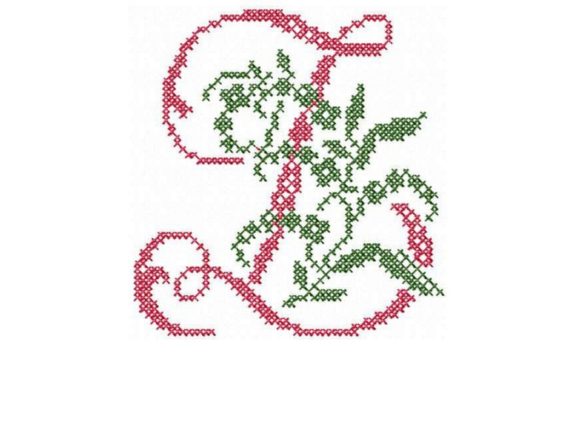
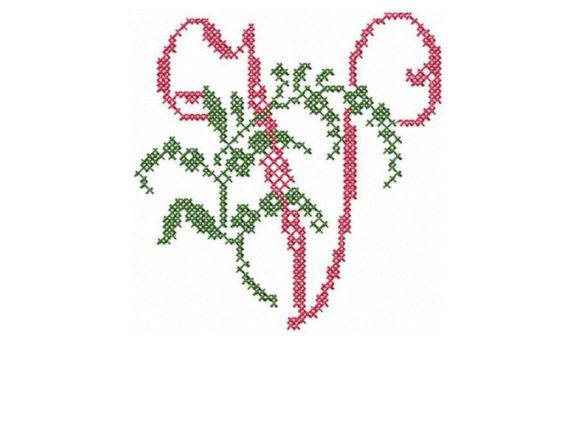
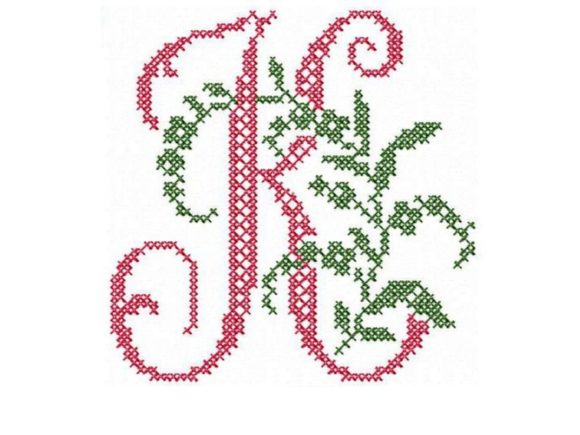
Right away, the visual mood of Monogram Letter K stands out. The cross-stitch technique gives it a textured, handmade feel that mimics traditional counted cross-stitch but works entirely on an embroidery machine. This isn’t your typical glossy satin stitch monogram; it’s earthy, tactile, and perfectly suited for the boho and cottagecore aesthetics that are driving so many craft fair trends right now. The letter “K” itself appears well-proportioned, and the spacing between the little X-shaped stitches suggests a designer who understands how thread lays on fabric. It’s not overly dense or chunky—which is a common pitfall with cross-stitch digitizing—and that’s a good sign for crisp results on towels and linens.
I can picture this design stitched in soft cream thread on a natural linen pillow cover, or in a muted sage green on a kitchen towel. The cross-stitch personality gives it a nostalgic, heirloom quality that appeals to buyers looking for personalized gift options. For a small business owner, that kind of emotional connection is gold.
Where This Design Excels: Project Ideas
After studying the details, I’m confident Monogram Letter K will shine on a range of products. It’s listed as suitable for towels, pillows, and cottagecore style gifts, and I completely agree. Here are a few real-world applications where I’d trust this embroidery file:
- Custom linen tea towels – A single letter monogram in a cross-stitch style adds a high-end, artisanal touch without overwhelming the towel.
- Boho pillow covers – Pair the K with floral or geometric designs for a layered, eclectic look that fits the boho category perfectly.
- Canvas tote bag design – Stitch it on a natural cotton tote for a personalized, reusable gift that feels both modern and vintage.
- Baby blankets and nursery decor – The soft, stitched texture is gentle and evokes a handmade feel, perfect for a child’s initial.
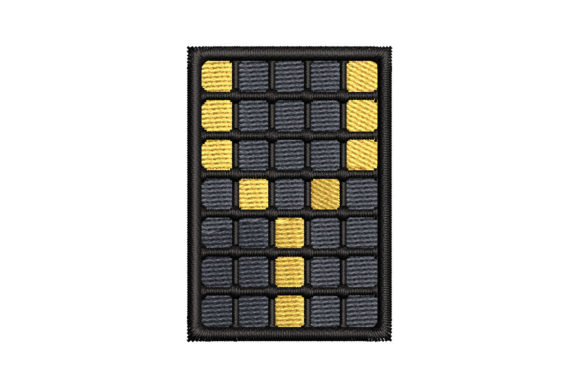
- Embroidered patch – If you size it down mindfully, this could work as a standalone patch on denim jackets or caps, provided the stitch density holds up on a curved surface.
- Seasonal handmade gifts – Monogrammed aprons for holiday hosts, or a set of monogrammed tea towels for Mother’s Day, all exude cottagecore charm.
For Etsy sellers, this design slots neatly into the personalized gift category. You can offer the letter K as a single-letter option, or combine it with other letters from the same designer’s set to create a full monogram collection. The cross-stitch aesthetic photographs beautifully—add a sprig of dried lavender and a wooden surface, and you’ve got an instant product photo that stops the scroll. Even a printable mockup showing the design stitched on a neutral background can increase customer engagement in your shop.
Testing on Real Projects: What to Expect
I always recommend a test stitch-out before you commit to a customer order, and Monogram Letter K is no exception. Because the design uses a cross-stitch technique, it’s essentially a series of tiny, overlapping stitches that mimic handwork. This means stitch density is a critical factor. If the embroidery file is properly digitized, the design should stitch out relatively quickly and with minimal thread breaks. If it’s too dense, you risk puckering on lightweight fabrics like linen or cotton. If it’s too light, the X’s may look sparse, especially on dark fabric.
For my test, I would try it on a mid-weight cotton canvas tote bag, a waffle-weave kitchen towel, and a stretchy sweatshirt. Different fabrics reveal different weaknesses. On the tote, I’d use a medium-weight cutaway stabilizer to support the stitches. On the towel, a water-soluble topper might be necessary to prevent the loops from peeking through. On the sweatshirt, I’d pay close attention to how the design handles stretch—any pull or distortion would tell me the design needs a different stabilizer or a lower stitch density. The running stitch underlay and fill stitch areas must be checked for balanced tension.
Because the description mentions “fun and easy to stitch onto any fabric,” I’m curious to see if the design truly holds up on stretchy or highly textured surfaces. Cross-stitch designs often have open areas that can shift on unstable fabrics. My advice: always use a basting stitch or temporary adhesive spray to keep the fabric in place, especially if you’re stitching on a curved cap surface or a small item like a baby onesie. For tiny lettering placements, the design’s smallest viable size matters—too small and the X’s may blur together.
Practical Considerations for Commercial Embroidery
If you’re planning to use Monogram Letter K for commercial embroidery products—like selling finished towels or custom apparel—you need to think beyond the stitch-out. Hoop size matters. The product page on Creative Fabrica should list the available hoop sizes and file formats. I can’t stress enough how important it is to check these details before you buy. A design that only comes in a 4x4 hoop might limit you to small placements, while a larger 5x7 or 6x10 version opens up possibilities for sweatshirt embroidery or bag fronts.
Thread colors are another consideration. The cross-stitch look often benefits from a slightly matte or cotton-like thread, like a 40-weight polyester or rayon. I’d avoid high-sheen metallic threads unless you want a very specific effect. Stick to earthy, muted tones to keep the boho vibe intact. For a crisp, high-contrast look on dark fabric, a bright white or cream thread works beautifully. On light fabric, a darker, vintage-inspired color like burgundy or forest green can make the monogram pop. Always test thread color contrast on a scrap of the actual fabric, as the same thread can look wildly different on linen versus a dark denim tote.
And don’t forget about washing. If you’re selling items that will be laundered frequently—towels, baby blankets, or aprons—you need to ensure the embroidery file is digitized with enough underlay and proper stitch ends to survive multiple cycles. A design that’s too delicate might lose its charm after a few washes. I’ll be checking the secure stitch paths and trimming any jump stitches carefully before the final product.
Adding Real Value to Your Handmade Products
One of the best things about Monogram Letter K is how it elevates a simple product. A plain white kitchen towel becomes a thoughtful, personalized gift. A basic sweatshirt turns into a custom apparel piece that feels boutique. The cross-stitch texture adds a tactile element that customers can see and feel—and that translates directly into higher perceived value. When I photograph such items, I always take a close-up of the stitching detail. It builds buyer trust and reduces returns because the customer knows exactly what they’re getting.
For boutique merchandise, consistency is key. If you’re using this monogram alongside other design assets, make sure the thread weights and color palettes are cohesive. A mismatched monogram style can cheapen the overall look. The Monogram Letter K fits seamlessly into a rustic, boho, or cottagecore brand identity. It’s not overly formal, so it won’t look out of place on a funny apron or a whimsical nursery blanket. The finished product photography can easily become a signature style that draws customers to your Etsy shop or craft fair booth.
Practical Tips for Stitching and Selling
Before you download the embroidery file, take a few minutes to review the listing details on the Creative Fabrica product page. Look for key specifics:
- Stitch count – This gives you an idea of how long it will take to stitch out and how dense the design is. A higher count may mean more detail but also a longer stitch time.
- Hoop size compatibility – Confirm the design fits your machine’s hoop or the size you need for the product. Cross-stitch designs often have a fixed aspect ratio, so resizing may not be straightforward.
- File formats – Make sure your format is included (PES, DST, EXP, etc.). The availability of multiple formats is a sign of a well-prepared digital embroidery file.
- Licensing terms – Creative Fabrica’s embroidery designs often come with a commercial license, but always double-check what’s allowed for physical product sales. This is crucial for small business owners planning to sell finished items.
Once you have the file, do a test stitch-out on a scrap of the actual fabric you plan to use. Check the thread tension, how the design looks after removing the stabilizer, and whether any details need trimming. If you’re selling online, take a photo of the finished product in natural light, perhaps with a simple ribbon or a sprig of greenery, to highlight the cottagecore charm. The cross-stitch detail will sell itself.
I’d also recommend creating a small collection of monogrammed items. A set of “K” towels, a matching pillow, and a tote bag can become a signature gift set that customers love. It’s a simple way to increase your average order value without a lot of extra design work. For craft fair products, package them together with a handwritten tag for an irresistible boutique feel.
In the world of machine embroidery, not every design delivers on its promise. But Monogram Letter K has the potential to become a staple in your design library if you approach it with a bit of testing and a clear vision. The cross-stitch technique is inherently charming, and when executed well, it can turn a basic product into a memorable keepsake. Whether you’re a seasoned embroiderer or a creative entrepreneur just starting out, this design is worth a close look for your next collection of handmade goods.