My Favorite People Call Me Mommy: Embroidery Review
First Impression: Warm, Sentimental, and Market-Ready
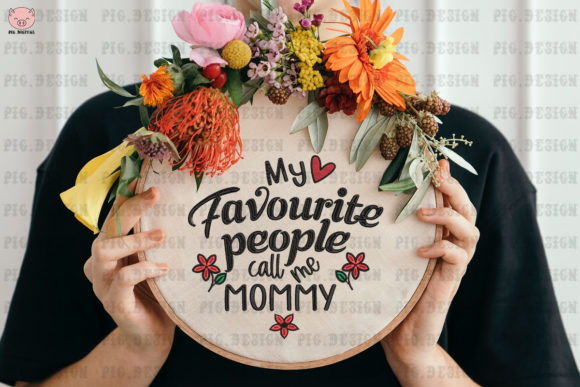
When I first opened the My Favorite People Call Me Mommy machine embroidery design, I immediately felt its booth potential. The phrase itself is a gentle, emotional trigger—it’s the kind of statement that makes a shopper pause at a craft fair table, touch the stitching, and smile. From a designer’s perspective, this isn’t just a cute saying; it’s a ready-made connection point for anyone who identifies as a mom, grandma, or mother figure. The mood lands somewhere between modern farmhouse lettering and soft, heartfelt typography. It doesn’t scream for attention, but it earns a second look through genuine warmth. For Mother S Day gifting or everyday keepsakes, this design holds a comfortable, versatile charm that works across multiple product types.
As someone who stitches dozens of samples for market weekends, I evaluate a design on how quickly it communicates its message. My Favorite People Call Me Mommy is instantly readable, even from a few feet away when embroidered at a moderate size. The sentiment is universal without being overly generic, which helps it stand out among quote-heavy booth displays. It’s a design that feels personal, like a custom order, yet it’s fully scalable for handmade product lines.
Where It Shines: Best Products for This Embroidery File
After testing a stitch-out on medium-weight cotton, I started mentally placing this embroidery file across my entire craft fair inventory. It’s a natural fit for items that invite touch and sentimentality. Here’s how it performs on the products I’d stock for a busy Saturday market:
- Tote bags: A large, centered placement on canvas tote bags makes this design a crowd-pleaser. The phrase becomes a proud statement piece, and the soft lettering style contrasts beautifully with the rustic texture of unbleached cotton. Pair it with a small floral accent or a delicate heart, and you have a high-perceived-value tote bag design that sells for $18–$25.
- Aprons: This is where the design truly feels at home. An apron embroidery near the chest or on the bib pocket turns a simple kitchen apron into a heartfelt gift. The phrase works beautifully for Mother’s Day, but it’s also a year-round staple for home bakers, cooking enthusiasts, and grandparent gifts. I’d recommend a thread color that contrasts gently with linen or chambray aprons for a soft, vintage look.
- Tea towels and kitchen linens: A tea towel embroidery featuring this design adds an instant homemade feel to any kitchen. Flour sack towels with a white or cream background let the lettering take center stage. Keep the design size moderate—around 4 to 5 inches wide—so the towel remains functional and the stitching doesn’t stiffen the fabric too much.
- Pillow covers and home decor: On a lumbar pillow cover, My Favorite People Call Me Mommy becomes a cozy accent for a reading nook or nursery. The text reads well against soft solids, and the emotional weight of the phrase elevates a simple throw pillow into a meaningful gift. For commercial embroidery sellers, this is a high-margin item that photographs beautifully.
- Small pouches, fabric zipper bags, and makeup bags: A scaled-down version works wonderfully for small giftable items. The design remains legible when reduced carefully, and these pouches are perfect for impulse buys at the cash wrap area of your booth.
- Patches and caps: While the phrase is a bit long for a standard cap front, it can be adapted as a curved or stacked embroidered patch attached to a cap side or a tote bag. Patches are a fantastic way to use up small fabric scraps and offer a lower-priced entry point for customers who love the sentiment but aren’t ready for a full home decor piece.
Craft Fair Selling Power: Visual Impact and Customer Engagement
At a craft fair, your display has roughly three seconds to catch a shopper’s eye. My Favorite People Call Me Mommy does this through emotional recognition rather than bold graphics. A customer walking by might not read every word immediately, but the familiar shape of the phrase “mommy” pulls them in. Once they step closer, the full message completes the story. I’ve seen similar sentiment-driven designs create mini conversations at the booth—people share who they’re shopping for, or a kid tugs at their mom’s sleeve and points. This design is a conversation starter, and that organic engagement often leads to sales.
For Etsy sellers and small shop product listings, the design photographs well in flat lays and styled mockups. A printable mockup showing the design on a soft folded towel or a natural linen apron can communicate the handmade quality instantly. The lettering style, assuming it’s a clean script or serif mix, reads as both elegant and approachable—a balance that appeals to a wide buyer demographic. For digital sellers offering the digital embroidery file, the listing images can highlight the emotional connection rather than just the stitch quality, which often boosts click-through rates.
Production Practicalities: What Works and What to Watch
From a production standpoint, My Favorite People Call Me Mommy is a relatively straightforward design to stitch, but it’s not without its careful-use notes. The phrase contains several words, so the lettering likely includes small loops, thin connections, and potential tight spots where thread can build up. Here’s what I’d keep in mind while running a batch for a market weekend:
- Stitch density and small lettering: If the design includes fine script or tiny serifs, check the stitch density carefully. Too many stitches in a compact area can cause puckering on lightweight fabrics or even thread breaks. Reducing density slightly in the smallest letters preserves legibility and avoids a stiff, bulletproof feel. Test on a scrap of the exact fabric you’ll use for final products.
- Fabric texture and stabilizer: On textured towels or loosely woven linen, small lettering can sink into the fabric and lose clarity. Use a topping like water-soluble stabilizer to keep the lettering crisp. For stretchy knits on apparel, a cutaway stabilizer is essential to prevent distortion. I’d also recommend a medium-weight fusible interfacing behind the design area on tote bags to give the stitching a flat, professional foundation.
- Thread contrast and fabric color: This design relies on high contrast for readability. On dark fabrics, a light thread (white, cream, or soft pastel) makes the phrase pop. On light fabrics, deep navy, charcoal, or a warm mauve work beautifully. Avoid low-contrast combinations like beige thread on unbleached cotton—it may look faded in person and even worse in photos. Always photograph your stitch-out under different lighting to see how the contrast holds up for online listings.
- Curved surfaces and small sizes: If you’re placing this design on a cap, the curved surface can warp letters. Test the digitized file on a cap frame before committing to production. For patches, reduce the design carefully and check that the word “mommy” doesn’t close up in the loops. A minimum height of about 1.5 inches for the entire phrase is a safe starting point, but that depends on the digitizer’s original text size.
- Hoop size considerations: The design’s dimensions will dictate your hoop size. If it’s a wide, horizontal layout, it may require a larger hoop that limits placement on narrow items like aprons or small pouches. Confirm the exact hoop size needed before planning your product lineup. If the design is too wide for a standard 4x4 hoop, you’ll need to stock hoops accordingly or adjust your product mix.
Booth Display and Merchandising Ideas
For a craft fair booth, I’d group My Favorite People Call Me Mommy with other family-themed designs to create a cohesive “sentimental corner.” A wooden crate filled with rolled tea towels, a few hung aprons on a rustic ladder, and a stack of tote bags with the design facing outward form a powerful visual story. Use a small sign that says “Handmade with Love” or “For the Ones You Love Most” to tie the theme together. Price points can range from $12 for a small pouch or patch to $30 for a beautifully embroidered apron or pillow cover. The design’s emotional pull justifies a slight premium, especially during the Mother’s Day season.
If you’re also selling the digital embroidery file on Etsy or a separate website, the same display logic applies to your listing photos. A styled flat lay with a spool of thread, a snippet of fabric, and a printed “Mommy” gift tag creates a consistent brand story. For printable mockup assets, show the design on at least three different products to help buyers visualize the end result. Design assets that include a realistic embroidered look on a tote bag, a kitchen towel, and a pillow cover can significantly increase conversion for digital file sales.
Designer’s Notes and Final Recommendations
Before I fill my booth with products featuring My Favorite People Call Me Mommy, I always run through a personal checklist. This isn’t about the design’s artistic merit—it’s about sellability, repeatability, and customer satisfaction. Here’s what I’d do:
- Test on scrap fabric first. Stitch out the design on the exact fabric blend you plan to use. Check for puckering, thread breaks, and overall legibility. Make notes on stabilizer and tension adjustments.
- Review thread color contrast. Stitch one sample in a light thread and one in a dark thread. Compare them side by side under both natural and artificial light. The one that reads most clearly from arm’s length is the winner.
- Check spacing and letter details. Look closely at the word “mommy.” Are the letter loops open? Does the “y” maintain its shape? If any letters are too thin, consider using a slightly thicker thread or adjusting the digital file if you have editing capabilities.
- Confirm hoop size compatibility. Measure the stitched design’s width and height. Ensure it fits comfortably within your most-used hoop, leaving enough margin for hooping. If it requires a special hoop, decide whether it’s worth the investment for your product line.
- Inspect stitch density. Run your fingers over the design after stitching. If it feels overly stiff or plastic-like, the density may be too high for soft goods like tea towels. A dense design can also be uncomfortable on apparel. A slight reduction in density can improve drape and hand feel.
- Create at least one real mockup. Don’t rely solely on digital previews. Stitch a finished product—a tote bag or apron—and photograph it in a styled setting. This will be your most powerful selling tool, both online and in person.
- Compare fabric color options. Stitch the design on a few different background colors you plan to offer. The same thread color can look completely different on oatmeal linen versus bright white cotton. Offer the combination that looks most professional and inviting.
- Verify commercial licensing. Before selling finished handmade product items at a craft fair or online, always confirm that the design’s license permits commercial embroidery use. The product description mentions “This machine embroidery design co” which suggests it comes from a commercial designer, but never assume. Check the seller’s terms to avoid any legal issues at your booth.
In my experience, My Favorite People Call Me Mommy is a solid addition to any maker’s lineup. It offers a clean, emotional connection that resonates with a broad audience, and it adapts well to a variety of products without losing its charm. For craft fair product sellers, it’s a design that invites people to pick up the item, read the words aloud, and often say, “Oh, I need this.” That kind of response is exactly what turns a casual browser into a paying customer. With careful attention to stabilizer, thread choice, and placement, this design can become a steady seller in your booth season after season, not just during Mother S Day but any time someone wants to celebrate the love behind being called “mommy.”