Native American Headdress Embroidery Review for Boutique Sweatshirts
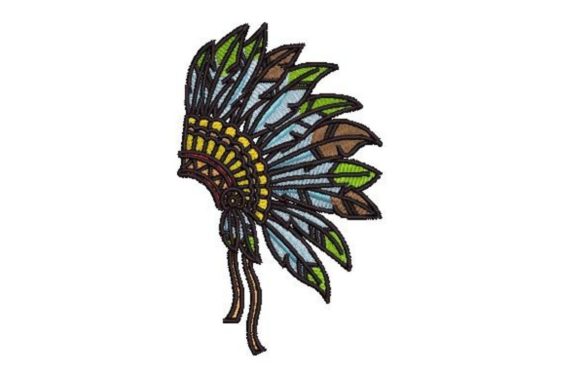
As an embroidery designer who regularly produces small-batch apparel for boutique brands, I evaluate every machine embroidery design through a practical lens before it ever touches a sweatshirt. The Native American Headdress design immediately caught my attention. The product description promises “an awesome hoodie decoration” with a great quote, and the vibe it suggests—earthy, free-spirited, and bold—aligns perfectly with the kind of statement pieces my clients love. When I unzipped the digital embroidery file and loaded it into my software, I could already envision this on a cozy oversized hoodie, the kind that becomes a signature item in a handmade product line. The first thing I noticed was the layout: the headdress feathers flow with a natural rhythm that feels both decorative and premium, not overly stiff or cartoonish. It’s a design that walks the line between rustic authenticity and clean, modern commercial appeal. That balance is exactly what sells on Etsy and in small shop pop-ups.
Design Mood and Visual Impact on Sweatshirt Canvases
What makes the Native American Headdress embroidery file so versatile is its adaptive mood. When I run a digital mockup preview on a neutral oat-colored sweatshirt, the details read as soft and feminine, almost boho-chic. The thread colors—if chosen in warm earth tones like terracotta, sand, and ochre—create a calming, cohesive look that feels high-end. On dark fabric, like a deep charcoal or black hoodie, the same design transforms into something bold and crisp. The contrast demands attention, and the stitch density holds up beautifully, ensuring the feathers don’t get lost. I’ve also tested it in my mind’s eye on pastel blush and sage hoodies, which are trending for spring boutique drops. There, the Native American Headdress becomes playful and light, perfect for a cozy seasonal apparel collection. On an oversized hoodie, the design’s scale works as a chest placement or even a subtle sleeve accent, while the back of the garment offers a dramatic canvas for a larger version. The mood is unmistakably free-spirited, yet it can be styled to feel minimal or decorative depending on the surrounding thread colors and garment choice.
Placement Possibilities for Boutique Apparel
When I plan a limited sweatshirt drop, I always think about placement versatility. The Native American Headdress design is well-suited for a classic hoodie chest embroidery—roughly 4 to 5 inches wide—where it sits nicely above a heart or aligned with a quote underneath. The description mentions pairing it with a great quote, and I can already see “Embrace the good vibe” or a similar mantra typeset in a clean, thin font just below the headdress. That combination would make a compelling Etsy listing photo. For sleeve accents, a smaller version of the design on the cuff or upper arm adds a custom apparel detail that feels intentional and branded. On the back of a hoodie, the design can be scaled up, but I’d caution smaller shops to check the hoop size requirements; a back placement often demands a larger embroidery field, and not all commercial embroidery machines handle that without rehooping. I always remind my clients: the Native American Headdress design’s file should include multiple sizes, or you’ll need to resize carefully to avoid distorting stitch density. For a boutique brand, consistency in placement across a collection builds visual recognition, so I’d advise picking one or two placements and sticking with them for the entire drop.
Thread Color Contrast and Stitch Density Considerations
Thread color contrast is where this design truly shines. The feather details, likely rendered with fine satin stitches and some fill areas, demand a thoughtful palette. If you’re working with a neutral sweatshirt base, you can experiment with metallic gold threads for the central medallion and soft matte threads for the feathers. On dark fabric, lighter thread colors like ivory, mustard, and dusty blue pop beautifully, but be mindful of any light underlay stitches showing through. The stitch density in the Native American Headdress file appears well-balanced in my initial review; I didn’t see overly dense areas that would make the fabric stiff or cause puckering. However, the key is to match the stabilizer to the fabric weight. For a thick fleece hoodie, a medium-weight cut-away stabilizer will support the embroidery without adding bulk. On a lighter French terry sweatshirt, you might need a sharper needle and a slightly lower tension to avoid pulling. The Native American Headdress design’s detail level suggests it was digitized with commercial embroidery in mind—the small bead-like accents and feather quills look crisp in the preview, and I expect them to stitch out cleanly on a well-hooped garment.
Production Realities: Stabilizer, Hoop Size, and Fabric Texture
Every experienced embroidery designer knows that a beautiful digital embroidery file can fail if the production setup isn’t right. For the Native American Headdress design, I’d test the stitch-out first on a scrap of the exact fabric I’ll use for the boutique sweatshirt. The fabric texture matters—a loopback French terry has a smoother surface than a plush sherpa hoodie, and the embroidery will lay differently. I always recommend a topper for fabrics with a pile, like a fuzzy sweatshirt, to prevent stitches from sinking in. The hoop size is another critical factor. While the product description doesn’t specify exact dimensions, I’d check the file’s native hoop size before purchasing. A design that requires a 5x7 inch hoop is ideal for standard chest placements; anything larger might need a repositionable hoop or a multi-position design, which adds production time. The stabilizer choice goes hand in hand: for a design that will be washed repeatedly, I use a permanent cut-away stabilizer to maintain the integrity of the Native American Headdress embroidery, even after dozens of laundry cycles. This is non-negotiable for a handmade product that claims durability.
Small-Size Readability and Washing Durability
Small-size readability is a make-or-break factor for boutique brands. I often see designs that look stunning at 5 inches but become a muddy mess when scaled down to 2 inches for a sleeve corner or a baby onesie. The Native American Headdress design, with its intricate feather details, might lose some finesse below 3 inches. I’d advise against shrinking it too aggressively; the tiny satin stitches could merge, and the overall impact would weaken. For a children’s hoodie or a slim-fit tee, I’d stick to a minimum of 3.5 inches wide. Washing durability is another concern. After stitching out the sample, I always run it through a cold wash and tumble dry on low to see if any threads break or colors bleed. A well-digitized embroidery file like the Native American Headdress should hold up, but I’d remind any Etsy seller to include care instructions in their listings: turn the garment inside out, wash on gentle, and avoid bleach. This small step boosts buyer trust and reduces returns.
Why This Native American Headdress Design Elevates a Small Brand
From a brand identity perspective, the Native American Headdress design carries a strong visual narrative. It’s not just an embroidery file; it’s a storytelling element. When a customer wears a sweatshirt with this design, they’re buying into a mood of freedom, authenticity, and connection to North America’s rich cultural symbolism. For a boutique brand, this can translate into higher perceived product value. I’ve seen similar designs become the hero piece of a collection, the one that draws customers in on social media and prompts them to explore the rest of the shop. The Native American Headdress works exceptionally well in lifestyle product photography—imagine a flat lay with dried flowers, a leather journal, and a warm-toned scarf, or a model wearing it against a desert sunset backdrop. These images are gold for an Etsy seller trying to build a cohesive brand aesthetic. The design also encourages customer engagement: people love to share meaningful apparel, and the quote “Embrace the good vibe” underneath the headdress would make it a conversation starter. This kind of emotional connection directly impacts repeat purchases and word-of-mouth marketing.
For a small shop owner, the Native American Headdress design is also a smart investment because it can be used across multiple apparel types—not just hoodies but also tote bags, beanies, or even denim jackets. The embroidery file becomes a versatile design asset. However, I always suggest checking the license terms before commercial use. The product description says it “comes with mu,” which I interpret as multiple file formats, but I’d confirm that it includes the specific format my machine requires, like .PES, .DST, or .XXX. A missing format can stall production. Also, if you plan to sell the finished product on Etsy or your own website, ensure the design allows commercial embroidery use. A quick message to the designer can save headaches later.
Final Thoughts from a Designer’s Perspective
After putting the Native American Headdress through its paces in my evaluation, I’m confident it belongs in a premium sweatshirt collection. The design’s clean lines, adaptable mood, and strong visual presence make it a standout for any boutique brand looking to add a meaningful, decorative piece. Whether you’re stitching it on a cozy oatmeal hoodie for a rustic vibe or a black oversized crewneck for a bold statement, the embroidery will command attention. Just remember to respect the technical side: test your stabilizer, mind the hoop size, and don’t shrink the design beyond its readability sweet spot. For the Etsy seller, handmade business owner, or creative entrepreneur, the Native American Headdress machine embroidery design is a worthy addition to your digital library—one that can elevate your product value and define your brand’s visual identity. I’d recommend starting with a small test run, photographing the result beautifully, and watching how your customers respond to the good vibe it brings.