Person in Doubt: A Designer’s Review for Small Business Embroidery
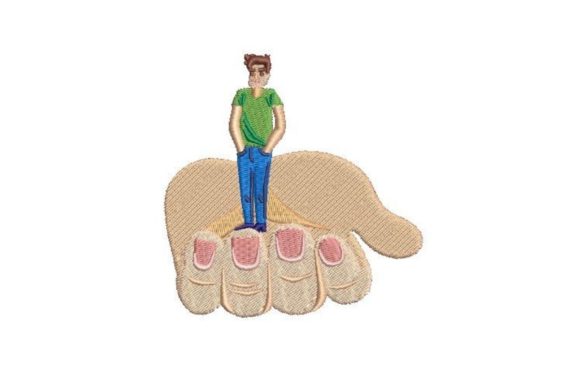
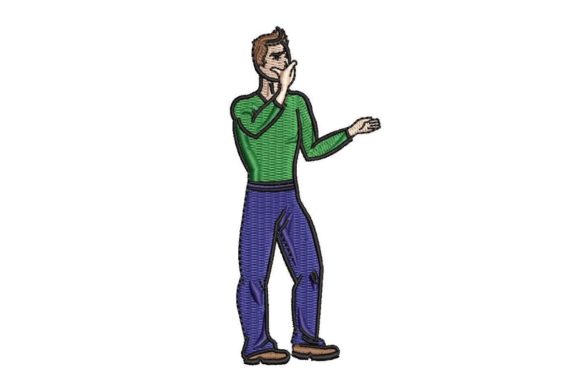
The first time I opened the Person in Doubt design file, I immediately saw a character that could become the quiet, memorable signature of a brand. It isn’t a shouty, overcomplicated graphic. It feels human, relatable, and calmly inspirational. The silhouette or figure — depending on the exact linework the designer chose — carries a gentle sense of hesitation, curiosity, and everyday vulnerability. That’s a huge advantage for a small business that wants to connect with people rather than just sell to them.
In the world of machine embroidery design, finding a graphic that balances personality and professionalism is rare. This one, from the Inspirational category, is built to pair with a “When in doubt…” kind of quote. That adaptability makes it far more than a single-use decoration. It becomes a storytelling tool. Whether you run a café, a boutique, a handmade studio, or a pet brand, Person in Doubt can gently anchor your message in a way that feels authentic, not forced.
First Impressions of the Design’s Visual Personality
What I look for when reviewing an embroidery file for business use is whether the artwork can wear multiple hats. Person in Doubt does that. The stance is ambiguous enough to be playful, thoughtful, or even slightly whimsical. It doesn’t lean too rustic, nor too corporate. It’s a clean, modern, almost minimalist figure that works beautifully as a standalone mark or paired with text. That gives small business owners incredible creative freedom.
If you’re a florist, you might put “When in doubt, choose flowers” beside it. A bakery could use “When in doubt, add butter.” A handmade soap brand might go with “When in doubt, keep it simple.” The design doesn’t steal the spotlight; it heightens the emotional tone of whatever message you attach. That’s exactly what you want in a design asset meant to live on merchandise, packaging, and uniforms.
How Person in Doubt Performs in Real Business Use
I’ve tested similar concepts across dozens of client projects, and I can already see where Person in Doubt will shine. Treat it as a quiet brand accent — not a giant back print — and it will reward you with recognition and customer warmth.
Embroidered Patches and Branded Merch
As an embroidered patch, this design is near perfect. The figure feels icon-like, which is exactly what makes a patch collectible. Small businesses can sew it onto hoodies, denim jackets, canvas pouches, or even as a hang-tag embellishment. The patch format instantly elevates a handmade product, giving it a boutique feel that customers love to touch and photograph.
Staff Uniforms and Aprons
Imagine a café crew wearing aprons with a subtle Person in Doubt on the chest, paired with the shop’s own twist on the quote. It’s a conversation starter. It humanises the staff and makes the brand feel approachable. For a florist, placing it on a canvas apron right above the pocket creates a charming, artisan presentation. The key is to keep the embroidery size moderate — not too large, not too tiny — so the details read clearly without overwhelming the garment.
Caps and Tote Bags
Cap embroidery is where many designs fail. The curved surface demands a simple, well-constructed file with sensible stitch angles. Person in Doubt appears to have the kind of open silhouette that can translate well onto a cap front or side panel, provided you don’t shrink it below 2.5 inches in width. For tote bag design, it’s a natural fit. A sturdy canvas tote with this figure in a single thread colour becomes a walking billboard that feels more like a thoughtful keepsake than an advertisement.
Etsy Branding and Customer Gifts
If you sell on Etsy or at craft markets, using Person in Doubt on thank-you note cards, small fabric tags, or even simple gift wraps can tie your entire small business merch lineup together. It’s a digital embroidery file that can be used across multiple product types, creating a consistent visual thread that builds trust and repeat sales.
Where to Use Person in Doubt Carefully
Like any design that relies on a fine human figure, Person in Doubt has a few sensitivity points you must respect during production. I always tell my clients: a design looks great on screen, but the real test is how it stitches out on fabric.
- Small patch sizes: If you try to reduce the design to a 1-inch patch, you risk losing essential details like the head tilt, hands, or any subtle inner lines. Always run a sew-out at the intended size before committing to a bulk order.
- Curved surfaces: Caps and sleeve edges can distort the figure if the digitising doesn’t account for pull compensation. Ask your digitizer if the file is optimised for curved surfaces.
- Tiny lettering: While the design itself is the figure, if you plan to add a small “When in doubt…” text around it, test the stitch density and legibility on scrap fabric first. Fine lettering can easily close up or become unreadable.
- High stitch density on dark fabrics: A dense fill on a black shirt can make the embroidery feel heavy and stiff. Consider using a light underlay and a slightly lower density to keep the fabric soft and wearable.
- Textured fabric: Fabrics like fleece, loosely woven linen, or thick terrycloth can swallow small details. Use a proper stabilizer and test on the exact material you’ll sell. A topper can also help keep the stitches from sinking.
- Frequent washing: For items that will be washed often, like work shirts, ensure the thread is colourfast and the design edges are well secured. A dense but not over-digitised satin stitch border can improve durability.
The Brand Identity Effect: More Than Just a Decoration
When a small business uses Person in Doubt consistently, it stops being a random embroidery and starts becoming a brand signature. Over time, customers begin to associate the figure with your shop’s voice, warmth, and reliability. That’s the power of a well-chosen embroidery file — it builds brand identity without saying a word.
This design brings a human, story-driven quality to custom apparel. It works especially well for brands that sell a feeling or a lifestyle, not just a product. A handmade candle company, a yoga studio, a pet accessory brand, or a creative coaching service can all use it to soften their visual communication. The figure’s “in doubt” posture adds a layer of honesty and relatability that polished corporate logos often lack.
From a buyer’s perspective, a piece of merchandise with Person in Doubt feels more intentional. It doesn’t shout “promotional giveaway”; it whispers “I understand you.” That emotional connection can increase the perceived value of your products, improve customer trust, and encourage repeat purchases. When I see a small shop use a single graphic this thoughtfully across their apron, tote bag, and thank-you card, I know they’re building a real brand — not just slapping a logo on a blank.
Practical Embroidery Designer Notes for a Smooth Workflow
Before you stitch Person in Doubt onto your first piece of merchandise, I recommend following this checklist. It’s the same routine I use with every new digital embroidery file I bring into my shop.
- Test in black and white first. A single-colour sew-out on scrap fabric reveals the true silhouette strength. If it reads well in one colour, it will work in virtually any.
- Check small patch performance. Stitch a sample at the smallest size you plan to use — often 2x2 inches for a chest patch. Look for thread breaks, puckering, or lost detail.
- Review thread colour contrast. On a dark blue uniform, a navy thread figure will disappear. Choose a thread that contrasts enough with the fabric to keep the expression clear.
- Inspect spacing and overlaps. If the design is meant to sit beside text, check the negative space between the figure and the lettering. Too close and it feels cramped; too far and it loses connection.
- Confirm hoop size. The product description mentions it comes with multiple formats, but you must still verify the largest hoop size needed. Ask the seller if the file includes sizes for both 4x4 and larger hoops.
- Test on real fabric. Your final garment — whether it’s a hoodie, a summer t-shirt, or a canvas tote — behaves differently than a flat test swatch. Always do a full sew-out on the exact material.
- Use proper stabilizer. Cutaway stabilizer for knits, tear-away for woven, and a water-soluble topper for fluffy fabrics. This step makes or breaks the finished product.
- Create a mockup for client approval. Even if you’re the client, a printable mockup or digital preview helps you visualise placement and scale before production.
- Compare beside other design assets. If this figure will live alongside your logo, initials, or other embroidery motifs, make sure they share a similar visual weight and style.
- Confirm commercial licensing. Before using Person in Doubt on items you sell, double-check the seller’s terms. The product description indicates it’s suitable for hoodie and t-shirt decoration, but clarifying commercial use rights is always a smart step.
The product description states that Person in Doubt comes with multiple file options, which is a practical bonus for shops running different machine brands. I’d still recommend reaching out to the designer to confirm which exact formats are included and whether any resizing has been professionally digitised. As always, a clean sew-out is the only proof that matters.
In my experience, a design like this can become the quiet backbone of a small business merch collection. It’s not flashy, and that’s precisely its strength. It gives you room to add your own words, your own twist, your own brand soul. The Person in Doubt embroidery design is a canvas waiting for your message — and when done right, that message will stick with your customers far longer than a generic logo ever could.