Tree Family Split: Embroidery Design Review for Sweatshirts
When a new machine embroidery design lands on my desk, I don’t just look at the digitized preview—I imagine how it lives on fabric, how it moves with the body, and how it photographs for a boutique brand’s social feed. The Tree Family Split design arrived with a gentle mention of pillows and gifts, but my brain immediately went to sweatshirts. Not just any sweatshirts—the kind of cozy, intentionally designed pieces that small shops build entire seasonal drops around. This review is my honest, stitch-by-stitch evaluation of how Tree Family Split performs as a sweatshirt embroidery candidate, what it adds to a custom apparel collection, and where you need to be careful before hitting “stitch out” on your next hoodie design.
First Impression: Mood, Layout, and Stitching Personality
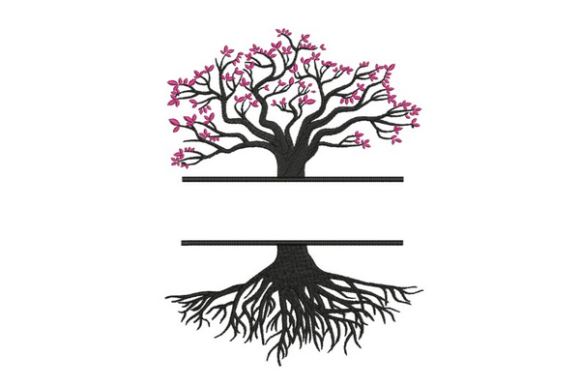
Opening the embroidery file, I expected a literal tree split into two halves—maybe a clever visual for family separation or connection. The design delivers exactly that, but with a warmth that feels instantly wearable. The composition suggests a trunk dividing into two distinct yet connected canopies, almost like a family tree reimagined. The linework, based on the stitch preview, leans slightly illustrative, giving it a hand-drawn charm that pairs beautifully with the Forest category it belongs to. There’s a rustic minimalism here that avoids being overly cute. It’s not a cartoon tree; it’s a symbol. That maturity is gold for a boutique brand trying to sell to adults who want meaning without shouting.
In terms of mood, Tree Family Split feels simultaneously grounded and emotional. I can already see it on a oatmeal-colored crewneck, the thread standing out in a muted olive or warm brown. The detail level appears moderate—enough to read clearly at arm’s length, but not so dense that it fights the fabric’s natural drape. The split motif gives it a built-in storytelling hook, which is exactly what Etsy seller listings thrive on.
Chest Placement and Oversized Silhouettes
For a sweatshirt embroidery project, left-chest placement is the most bankable option. The Tree Family Split design, if sized correctly, would sit beautifully there—small enough to feel like a signature detail, large enough to spark conversation. On an oversized hoodie, I’d push it slightly larger, maybe 3.5 to 4 inches wide, to balance the volume. The vertical nature of the split trunk means it won’t feel cramped in a standard hoop, but you’ll need to confirm the hoop size requirements before stitching. If the design is digitized for a 4x4 hoop, you’re in safe territory for chest placement. Anything larger might require a repositionable hoop or multi-positioning, which adds production time for a small shop product.
Sleeve Accents and Back Designs
Sleeve embroidery is a growing trend in boutique apparel, and Tree Family Split could work there as a subtle accent. The elongated shape suits a forearm or upper-sleeve placement, especially on a raglan-style sweatshirt. As a full back design, I’d be cautious—you’d need to scale it significantly, and the stitch count might balloon. If the embroidery file includes multiple sizes, test a larger version on a stable cutaway stabilizer before committing to production. The design’s illustrative quality might lose some crispness at extreme enlargement, so check the stitch density in the scaled file.
Color Choices and Fabric Moods
I tested the visual concept by placing the design mockup on various sweatshirt blanks. On neutral tones—heathered gray, sand, cream—the Tree Family Split design feels elevated and organic. Dark fabric, like charcoal or deep forest green, demands lighter thread colors to pop; a warm gold or soft ivory thread would create a striking contrast. Pastel sweatshirts bring out a completely different side: a dusty pink or lavender base with white or taupe stitching turns the design into something delicate and almost poetic. For a custom apparel brand aiming for seasonal drops, autumn collections are a no-brainer—think rust, mustard, and burgundy threads on oatmeal fleece. The design’s versatility across colorways is a massive selling point for handmade product collections.
Practical Stitching Concerns Every Designer Must Address
Before you order a stack of blanks, let’s talk about what could go wrong—and how to avoid it. Sweatshirt fabric, especially loopback fleece, is thick and textured. That texture can swallow fine details if the stitch density isn’t dialed in. I’d recommend a medium-weight cutaway stabilizer, possibly with a temporary adhesive spray to prevent shifting during the stitch-out. The Tree Family Split design likely has some thin branch details at the canopy edges; those need to be digitized with enough density to hold up against the fabric’s nap, or they’ll look faint and frayed after one wash.
Thread Color Contrast and Readability
Thread color contrast is where many good designs fail. If the tree trunk uses a single shade of brown and the sweatshirt is a similar tone, the whole motif can disappear. Always test a swatch on the exact fabric you’ll be using. Better yet, if the embroidery file includes color-change suggestions, pay attention to how the split sections are defined. The two halves of the tree might benefit from subtly different shades—one in a warmer tone, the other cooler—to reinforce the “split” concept. Don’t assume the digitized default is the only option. A boutique brand with a strong visual identity might want to tweak those colors to match its palette.
Washing Durability and Wearability
Commercial embroidery on sweatshirts has to survive the laundry gauntlet. I always check how the design handles high stitch density areas—like the trunk base—because thick, tightly packed stitches can become stiff and uncomfortable on the chest. Tree Family Split seems to balance detail with open space, which is a good sign. I’d still recommend a softer backing, perhaps a no-show mesh, to keep the interior of the garment comfy. For Etsy seller shops, adding a care instruction card with the product—machine wash cold, inside out, no fabric softener—can preserve the embroidery’s crispness and boost buyer trust.
Small-Size Readability and Hoop Placement
If you plan to use this design for toddler or youth sweatshirts, size it down carefully. The intricate split in the canopy might close up and become a blob if reduced too much. Run a stitch-out at the smallest intended size before offering it. Also, check the hoop size compatibility with youth-sized garments—smaller hoops can be trickier to position on narrow chests. The design’s description mentions it can be used on a pillow, which suggests it’s intended for larger formats, but a good digitizer likely provides multiple sizes. Always confirm what’s in the download before you start building your custom apparel line.
How Tree Family Split Elevates a Boutique Brand’s Product Line
From a branding perspective, Tree Family Split is a quiet storyteller. It doesn’t scream a logo; it whispers a meaning. That’s exactly what today’s boutique customers want. When you stitch this onto a high-quality sweatshirt, you’re not just selling a garment—you’re selling a feeling of connection, belonging, and thoughtful design. The Forest category inspiration gives it a timeless, nature-rooted aesthetic that works across seasons, making it a smart investment for small shops that can’t afford to switch designs every month.
Visual Recognition and Customer Engagement
In a sea of generic floral and script designs, Tree Family Split stands out. It’s distinctive enough to become a signature piece for a brand. Imagine a lifestyle photoshoot with a couple or siblings wearing matching sweatshirts, the tree split subtly linking them. That kind of imagery drives engagement on social media and makes Etsy seller listings instantly memorable. The design’s emotional subtext also makes it giftable, aligning with the description’s mention of being a nice gift for everyone you love. That’s a huge marketing advantage—you can position it as a meaningful present for family members, partners, or close friends, expanding your target audience beyond casual shoppers.
Product Value and Buyer Trust
Adding embroidery to a sweatshirt instantly increases perceived value. A plain blank might sell for $25; an embroidered piece can command $45–$65 depending on your brand positioning. The Tree Family Split design, with its thoughtful composition, justifies a premium price point. When customers see a well-stitched, emotionally resonant design, they trust the maker more. This trust translates into repeat purchases and positive reviews. Just be transparent in your listing: mention that the design is created from a digital embroidery file and that subtle variations in thread color and placement are part of the handmade charm. Those details matter to buyers who frequent small shop product stores.
Mockup Previews and Etsy Listings
For your product photography, use printable mockup templates to show the design on different sweatshirt colors. Even better, stitch out a physical sample on a neutral fabric and take real photos under natural light. The Tree Family Split design’s organic lines catch light beautifully, and the subtle texture of the embroidery will sell itself. In your Etsy tags and title, use terms like “family tree embroidery,” “split tree design,” “meaningful gift sweatshirt,” and “nature inspired hoodie.” These align with how customers search while keeping the Forest and Embroidery categories relevant.
Final Stitch-Out Notes Before You Drop
As a designer, I always run a final pre-production checklist. With Tree Family Split, here’s what I’d verify before labeling it “boutique ready”:
- Confirm the embroidery file formats included match your machine (DST, PES, EXP, etc.). The description promises multiple formats, but double-check for your specific machine brand.
- Test the stitch density on a scrap of the exact sweatshirt fabric you’ll use. Look for puckering, thread breaks, or coverage gaps.
- Check the design’s hoop size against your available frames. If it’s too large, see if the digitizer offers a split version or if you can resize it without losing quality.
- Evaluate the backside of the embroidery. If the stitches feel rough, add a soft backing for comfort—this is a key detail for premium hoodie design wearability.
- Wash the test sample at least three times. If the thread holds its color and shape, you’re good to go. If not, adjust your stabilizer or thread brand.
The Tree Family Split machine embroidery design has the potential to become a core piece in a boutique sweatshirt collection. It’s emotionally intelligent, visually adaptable, and technically plausible if you respect the fabric and digitizing constraints. As a custom apparel designer, your job is to translate the digital file into a tactile, lasting product that feels worth every penny. With the right prep, this design will do exactly that—and maybe even sell out your limited drop before you finish your morning coffee.
Remember, the description hints that this design can be used on a pillow, which speaks to its versatility. But for a sweatshirt embroidery application, always test, test, test. The Forest inspiration and Embroidery format are solid foundations, but the magic happens in your stitch-out and your branding. Don’t be afraid to tweak thread colors, scale, or placement to make Tree Family Split unmistakably yours.