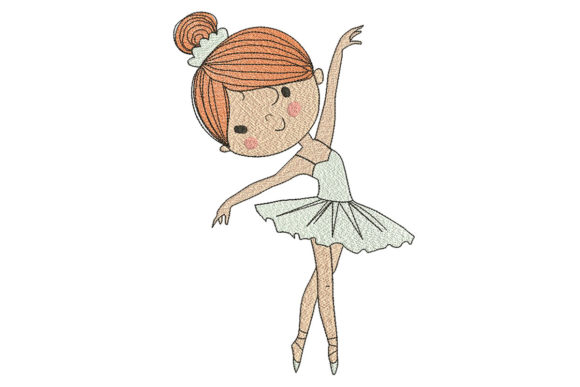
Ballet Dancer Embroidery Design: A Designer's Review
I have spent years testing embroidery designs across different machines, fabric types, and product categories. When a design like Ballet Dancer lands on my screen, I do not just glance at the preview and call it a day. I think about how it will actually stitch out, how the thread will lay on textured fabric, and whether a customer browsing a craft fair table or an Etsy listing would stop and reach for it. That is the lens I use for every review, and this one is no exception.
The first thing that struck me about this design was its quiet sense of movement. The pose feels suspended between steps, graceful without being overly complicated. It is not a stiff silhouette. There is a softness in the shape that suggests the design was built with an understanding of how fabric and thread work together. For anyone creating items in the Dance category, that matters more than you might think. A ballet-themed design that reads clearly after stitching is worth far more than one that looks beautiful only on screen.
What I Saw When I First Opened the File
The visual personality of Ballet Dancer leans toward elegant simplicity. It is not overloaded with tiny details that would turn into a muddy mess at smaller hoop sizes. The lines are intentional. The body posture, the curve of the arms, the placement of the head all communicate a recognizable form without demanding overly dense stitching. This is a design that trusts the viewer to fill in the emotional weight of the image, and in my experience, that kind of restraint often produces the most professional finished products.
I immediately imagined it stitched on a soft lavender cotton tote bag, the kind of item you would bring to a dance recital or gift to a ballet teacher at the end of the season. The mood it creates is gentle, nostalgic, and polished. It does not scream for attention. It earns it. That is a quality I look for when I consider whether a design will hold up across multiple product types and customer demographics.
Where This Design Truly Belongs
Let me be practical. Not every embroidery design works everywhere, and part of my job as a reviewer is to point you toward the projects where Ballet Dancer will actually shine. Based on what I see in the layout and the overall shape, here is where I would confidently place it:
- Custom apparel: Think sweatshirts, lightweight hoodies, and long-sleeve t-shirts. The design would sit beautifully on the upper chest or centered on the back. For a dance studio owner ordering team gear, this is the kind of emblem that feels personal without being flashy.
- Tote bags and canvas pouches: A medium hoop size with this design on the front panel of a tote bag would make an excellent recital gift or boutique product. The clean silhouette reads well from a distance.
- Pillow covers and nursery decor: The gentle posture of the dancer makes this a natural fit for a child's bedroom or a playroom accent. Paired with soft pastel thread colors, it could anchor a whole handmade decor collection.
- Aprons and kitchen towels: I know it sounds unexpected, but a small version of this design on the corner of a linen apron would appeal to a very specific buyer: someone who loves baking and ballet in equal measure. Niche products often perform surprisingly well at craft fairs.
- Holiday gifts and personalized items: A stitched initial next to the dancer, or a name underneath, turns this into a keepsake. Think Christmas ornaments, gift tags made from fabric scraps, or a ballet-themed stocking.
- Embroidered patches: If you finish the edges cleanly, this design could be turned into a standalone patch for dance bags, jackets, or caps. The shape is self-contained enough to work well as a patch without needing a background fill.
For small business owners and Etsy sellers, the versatility here is a real advantage. One design that can move across apparel, home decor, and gift items means you can test multiple product categories without buying a dozen different files. I have built entire seasonal collections around a single strong design like this one, simply by changing thread colors and fabric choices.
How It Holds Up on Different Fabrics
I always test mentally how a design will behave on the materials my clients actually use. A smooth cotton quilting fabric is one thing. A fleece sweatshirt is another. Here is what I would expect from Ballet Dancer based on the shape and apparent stitch structure:
On medium-weight cotton or linen, the design should stitch out cleanly with minimal distortion. The lines are not so fine that they would disappear into the weave, and the open areas of the design allow the fabric to breathe. This is a comfortable pairing.
On fleece or French terry, you will need to be mindful of the nap. Lighter thread colors on darker fleece can get swallowed if the stabilizer is not firm enough. I would recommend a medium-weight cutaway stabilizer and possibly a water-soluble topper to keep the stitches sitting on top of the fabric rather than sinking in. The design itself is not the problem here; it is simply the nature of textured fabrics.
On stretchy fabrics like jersey or performance wear, proceed with care. The design does not appear to have a dense underlay that would fight against stretch, but you will still want to use a proper cutaway stabilizer and avoid hooping the fabric too tightly. A slightly looser tension preserves the drape of the garment and prevents the design from puckering after washing.
On dark fabrics, contrast is everything. A pale pink or soft gold thread on a black sweatshirt would look striking. A dark navy thread on the same black fabric would be nearly invisible. The good news is that you can choose the color scheme at your discretion, as the product description notes. That flexibility is not just a nice feature; it is a practical necessity when you are matching existing brand colors or customer preferences.
Where You Should Use Extra Caution
I have made enough mistakes over the years to know which situations call for a second thought. Here is where I would slow down before using Ballet Dancer:
- Very small hoop sizes: If you try to shrink this design below a certain point, the finer details of the pose may lose definition. I would not go below approximately three inches in the longest dimension without running a test stitch first. The arms and legs need enough space to remain distinct.
- Thin or sheer fabrics: A lightweight voile or organza might not support the stitch density well, and you could see pulling or shadowing on the reverse side. If you must use a delicate fabric, add a layer of tear-away stabilizer and consider a backing fabric to reinforce the area.
- Curved surfaces like caps: The design is not inherently unsuitable for caps, but the vertical orientation could be tricky on a structured baseball cap with a center seam. Test placement carefully. A flatter cap profile or a bucket hat might be a better canvas.
- Layered garments with seams: If the design lands on a seam line, you risk distortion. On a raglan sleeve top or a side-seam hoodie, check the placement before you stitch. No design looks good bisected by a bulky seam.
- Items that need frequent heavy washing: If this is going on a child's dance bag that gets tossed in the wash weekly, use high-quality polyester thread and a permanent stabilizer. The design itself should hold up, but the materials you choose for embroidery will determine the lifespan of the finished product.
The product description hints at something important when it says the right selection of materials for embroidery will ensure the best result. I could not agree more. A well-digitized design is only half the equation. Your thread choice, stabilizer, fabric, and hooping technique complete the picture.
A Real Project Scenario: The Recital Tote
Let me walk you through a real scenario I would use this design for. Imagine a local dance studio reaching out to you, a small business owner, for twenty custom tote bags to give their students after the spring recital. The studio's color is dusty rose, and they want something elegant, age-appropriate for dancers aged six to sixteen, and durable enough to carry dance shoes and leotards.
I would order a batch of natural canvas tote bags, stitch Ballet Dancer in a dusty rose thread on the front panel, and add the studio name in a simple serif font underneath. The design would be centered, roughly four inches tall, with a medium-weight cutaway stabilizer. Before committing to all twenty bags, I would run one test stitch on a scrap of the same canvas to check thread tension and confirm the size looks right in person.
At the end of the project, I would have a product that feels custom, thoughtful, and professional. The design carries the emotional weight of the moment. Parents see it and immediately associate it with their child's achievement. That is the kind of product value that goes beyond a simple decoration.
What This Design Does for Your Brand
When I evaluate a design for commercial use, I ask myself whether it helps the seller build trust and recognition. Ballet Dancer has a timeless quality that does not chase trends. It would not look out of place in a boutique window, on a craft fair table, or in an Etsy shop thumbnail. The design communicates a clear theme without needing explanation, and that clarity is exactly what makes a product listing stand out in a crowded marketplace.
For handmade sellers, the ability to offer a cohesive look across multiple product types strengthens brand identity. A customer who buys a ballet-themed pillow cover this month might return for a matching tote bag next month. When your designs feel consistent and intentional, you build repeat buyers. That is not just my opinion; it is a pattern I have seen play out across dozens of small shops I have worked with over the years.
Practical Designer Notes Before You Stitch
Here is my checklist of things to do before you use Ballet Dancer in a live project or a customer order:
- Test on scrap fabric first: Always. Even if the design looks perfect in the preview, your machine, thread, and fabric combination is unique. One test stitch saves you from ruining a good blank.
- Check thread color contrast: Hold your thread spool against the fabric in natural light. What looks good under your sewing lamp might look different in daylight. If you are unsure, stitch a small sample patch.
- Review stitch density: Pay attention to how the design feels after stitching. If it is too stiff, you may need to adjust your machine tension or use a different stabilizer. The design should feel secure but not rigid.
- Confirm hoop size: Do not assume. Measure the design dimensions before you buy or download, and make sure your hoop can accommodate it with some margin for error.
- Inspect small details: Look at the hands, feet, and head area after stitching. Are the details clear enough for your intended product? If something looks muddy at your chosen size, scale up slightly or adjust your thread weight.
- Test in black and white mockups: A quick grayscale preview helps you see whether the design reads clearly without relying on color. If the silhouette is still recognizable in black and white, it will work on almost any background.
- Compare light and dark fabric backgrounds: The same design can look completely different on white versus charcoal. Run a quick mental check or a physical swatch test before committing to a large batch.
- Use proper stabilizer: Cutaway for knits and stretchy fabrics, tear-away for stable wovens, and water-soluble topper for fluffy or textured surfaces. This is not optional if you want professional results.
- Check licensing before selling: If you plan to sell finished products or digital embroidery files created from this design, confirm the commercial terms with the original designer. The description states you can make your things unique and decorate your clothes and interior items, but always verify whether that extends to resale of the stitched product or the file itself.
The Emotional Throughline of a Good Design
What I keep coming back to with Ballet Dancer is the feeling it evokes. Embroidery is not just decoration. It is a textile language. The right design on a baby blanket makes a new parent feel seen. The right design on a sweatshirt makes a teenager feel proud to wear it. The right design on a tote bag turns a simple accessory into a statement of identity. This design taps into the universal affection for dance, childhood, grace, and aspiration. It does not need to shout to be heard.
For Embroidery designers, small business owners, and crafters who serve customers in the Dance world, this is a design worth adding to your library. It is not the loudest file you will ever own. It is the one you will reach for when you need something that looks like it was made with care, because it was. And in a market full of flashy, overcomplicated designs, that quiet confidence is what actually sells.