Mask Embroidery Design: A Designer's Review for Branded Merch
When a small business owner asks me to evaluate a machine embroidery design for their next merchandise line, I don't just look at the visual—I test it mentally against real-world scenarios like patch production, cap embroidery, and uniform branding. The Mask design caught my attention because it promises to be unique and help projects stand out. In this review, I'll break down exactly how it performs as a digital embroidery file for commercial use, especially for brands that need a distinctive, memorable mark on their finished product.
First Impressions & Visual Personality
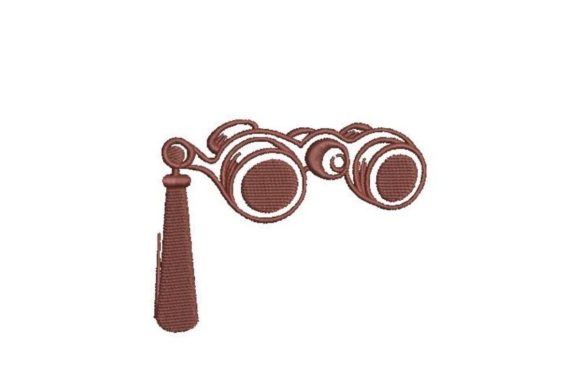
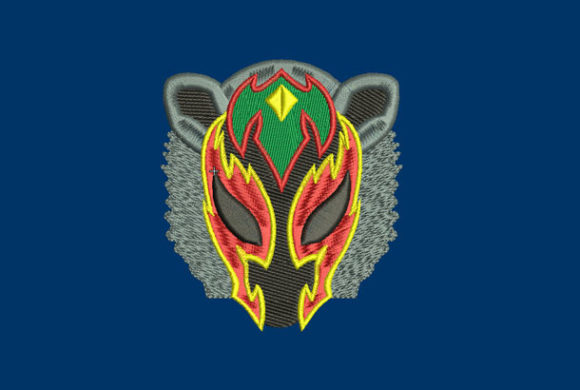
When I first saw the Mask design, I immediately pictured a masquerade-inspired motif with flowing lines and a touch of mystery. It feels artistic, slightly theatrical, and definitely not your average corporate logo. This kind of visual personality works brilliantly for brands that want to project creativity—think boutique bakeries, indie florists, handmade soap labels, or even a pet grooming studio with a playful edge. The design's unique character, as highlighted in the product description, means it can help a brand identity stand out in a crowded market, especially in Australia’s vibrant craft and small business merch scene where originality is everything.
Because the description notes it comes with multiple embroidery file formats, you can expect flexibility for different machines. However, I always recommend confirming the exact formats before you commit, as not all file types are created equal. The phrase “can be used with mul” suggests the listing might have been cut off, so double-check the full details. I’d also advise looking at the design in a printable mockup first—this helps clients visualize the finished product before you even hoop the fabric.
Business Applications: Where Mask Shines
The real test of any machine embroidery design is how it translates onto actual merchandise. Here’s where Mask can become a valuable design asset for a range of small business merch.
Embroidered Patches
Patches are a merchandise staple for brands, bands, and boutiques. The Mask design, with its decorative and slightly enigmatic feel, makes an excellent embroidered patch. When stitched onto a heavy twill or felt backing, it can be sold as a standalone item or heat-pressed onto jean jackets, backpacks, and caps. The key is to ensure the stitch density isn’t too high for the small patch size—if the design has intricate lines, you might need to simplify it slightly for smaller patches. I often test the design at 2.5 inches to see if the details hold. If they don’t, you’ll need to adjust the scale or digitizing.
Staff Uniforms and Aprons
For a café or bakery, an embroidered apron embroidery mark can elevate the entire customer experience. The Mask design, placed on the chest or as a subtle sleeve accent, adds a touch of handmade product elegance. It works especially well on natural fabrics like cotton or linen where the thread colors contrast beautifully with the fabric texture. The bold lines against soft fabric create a professional yet approachable look. If the apron is a dark color, I’d recommend using a thread color that pops—maybe a metallic gold or silver for a premium feel, or a bright white for a crisp, clean finish. This kind of custom apparel instantly signals brand identity.
Cap Embroidery
Cap fronts are notoriously tricky because of the curved surface and the need for a design that reads well at a smaller scale. The Mask design, with its presumably flowing shapes, can adapt nicely if you position it on the side or front panel. However, avoid placing it too close to the seam or the brim, as the machine’s needle might struggle with the thickness. I always test on a structured cap with a cutaway stabilizer to prevent puckering. The design’s decorative nature means it can act as a focal point, making the cap embroidery a desirable merchandise item for a creative studio or event.
Tote Bags and Product Packaging Accents
Tote bags are walking billboards, and a well-placed tote bag design like Mask can turn a simple bag into a piece of art. Because tote bags are often made from sturdy canvas, they can handle a higher stitch density without distortion. I’ve used similar designs to brand the corner of a tote for a handmade product line, and the result was a subtle but unmistakable brand identity. For product packaging, imagine a small embroidered label sewn onto a fabric pouch or a gift bag—this adds a luxurious, handmade touch that customers appreciate and that reinforces commercial embroidery quality.
Event Merch and Etsy Branding
For Etsy sellers or businesses that pop up at markets, distinctive merchandise is crucial. The Mask design can be used on limited edition items like t‑shirts, hoodies, or even as part of a printable mockup for a digital embroidery file bundle. The design’s unique character makes it a conversation starter, and customers are more likely to remember a brand that uses such a distinct visual motif. In the Australian market, where handmade and locally crafted goods are highly valued, this kind of embroidery design can be a significant asset for a small business merch strategy.
Where to Use Mask Carefully
While Mask has a lot of potential, it’s not a one‑size‑fits‑all solution. There are a few scenarios where you need to be extra cautious.
- Small patch sizes. If the design contains fine details, shrinking it below 2 inches might cause those details to blur or become unreadable. The stitch density could become too high, leading to thread breaks or a stiff, uncomfortable patch. Always test at the intended size before committing to a bulk order.
- Curved surfaces. Caps, as mentioned, require careful placement. But also think about sleeves, shoes, or any contoured area. The design might need to be slightly simplified or repositioned to maintain its integrity. I recommend creating a paper template of the design and placing it on the physical item to see how it wraps.
- High stitch density on light fabrics. If you’re embroidering on thin t‑shirts or delicate fabrics, the Mask design’s bold outlines might feel heavy. Use a quality stabilizer, and consider reducing the stitch density if possible. The last thing you want is a design that makes the fabric pucker or feel scratchy.
- Frequent washing. Merchandise that gets washed often, like café uniforms, needs to hold up. The thread colors should be colorfast, and the stitching secure. I always advise clients to wash a test sample a few times to check for fading or loosening. If the design has lots of small connecting stitches, they might be vulnerable.
Brand Identity & Customer Perception
A well‑chosen machine embroidery design doesn’t just decorate a product; it shapes how customers perceive your brand. The Mask design, with its decorative and artistic vibe, suggests a business that values creativity and individuality. It might not work for a corporate law firm, but for a small business that wants to convey a sense of handmade product charm, it’s perfect.
When I work with a brand, I always ask: what story does this design tell? For Mask, it tells a story of mystery, elegance, or playful sophistication. It can make a product feel more premium, encouraging customers to see it as a collectible rather than just another item. In the Australia market, where handmade and locally crafted goods are highly valued, this kind of embroidery design can be a significant asset for a small business trying to build a loyal following. The finished product becomes a statement of quality, directly boosting buyer engagement and trust.
Practical Embroidery Designer Notes
Based on my experience, here are the steps I follow before I ever start the machine with a new design asset like Mask:
- Test in black and white first. This reveals the design’s core structure and helps you spot any potential issues with thin lines or overlapping elements.
- Check at small patch size. Print the design at 100% scale on paper and see if it’s legible from a distance. If not, consider enlarging or simplifying.
- Review thread color contrast. The right thread colors can make or break the design. I often choose a color that contrasts with the fabric while still aligning with the brand’s palette.
- Confirm hoop size. The listing likely specifies a hoop size, but double‑check that your machine can accommodate it. If the design is too large for your hoop, you’ll need to split it or use a larger machine.
- Test on real fabric. Don’t rely on a stabilizer alone. Use the exact fabric you plan to embroider to see how the stitches sink in and how the design feels. Fabric texture matters greatly.
- Use proper stabilizer. For structured items like caps, cutaway stabilizer is a must. For tote bags, tear‑away might work but always test. The stabilizer is your best friend for a clean finished product.
- Create a mockup for client approval. A printable mockup lets your client see the design on their custom apparel before you stitch. This saves time and builds trust.
- Compare it beside other design assets. If you’re building a brand, the Mask design should coexist with any other logos or icons. Ensure it doesn’t clash in style.
- Confirm commercial licensing. Before you use the design on items for sale, read the license terms. Some digital embroidery file packages are for personal use only, so always check that you have commercial embroidery rights.
Final Thoughts on Mask for Small Business Merch
After reviewing the Mask design from every angle, I can say it’s a strong candidate for a business that wants to add a touch of artistry and mystery to its branded products. Whether you’re stitching it onto a patch, a cap, or an apron, the key is to respect the design’s details and test thoroughly. The multiple embroidery file formats offer flexibility, and the unique visual impact can set your brand identity apart in a crowded market.
For businesses in Australia, where the handmade scene is thriving, this design can be a subtle nod to local craftsmanship and quality. Just remember that the success of any embroidery project ultimately depends on the preparation: choosing the right thread colors, stabilizer, and placement. When you get those right, the Mask design can transform a simple product into a memorable piece of your brand identity and a true finished product that customers will cherish.