Unicorn Pumpkin Embroidery Design Review for Branded Merch
First Impression of Unicorn Pumpkin
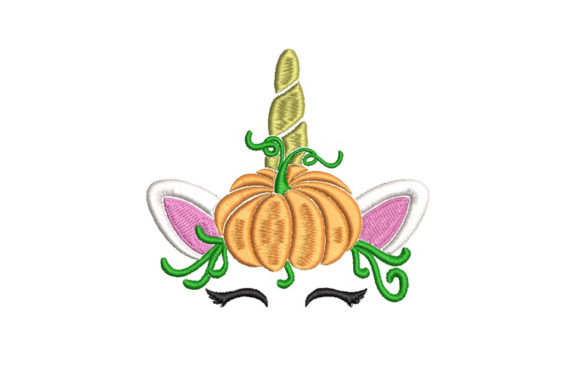
When I first opened the Unicorn Pumpkin design file, the immediate reaction was a mix of curiosity and genuine creative excitement. This is not your typical seasonal embroidery motif. The title alone suggests a playful fusion of two beloved visual elements, and that combination immediately opens doors for small business merch that stands out. The description confirms what experienced embroidery designers always look for: flexibility. The ability to choose your own color scheme is a practical advantage, especially when matching a design to an existing brand identity. The note about selecting the right materials for embroidery tells me this design was created with an understanding that thread choices, fabric bases, and stabilizer decisions all affect the final look. From a commercial embroidery standpoint, Unicorn Pumpkin feels friendly, handmade, and slightly whimsical without crossing into overly childish territory. It carries a decorative, almost rustic charm that could easily be positioned as premium boutique merchandise or cozy handmade product branding.
How Unicorn Pumpkin Fits Real Business Merchandise
Small business owners constantly ask me whether a design will actually sell on finished products. After reviewing Unicorn Pumpkin thoroughly, I see multiple viable applications. The visual personality walks a line between seasonal charm and year-round appeal, which is a smart business asset. Let me break down the most practical uses for this machine embroidery design.
Embroidered Patches as Branded Add-Ons
An embroidered patch version of Unicorn Pumpkin could become a signature element for a café, bakery, or creative studio. Imagine a small-batch coffee roaster attaching this patch to canvas bags of limited-edition autumn blend. A florist could stitch it onto denim jackets worn by delivery staff. The key is testing the design at patch size. Small details and tight outlines can quickly become muddy if the stitch density is too high for the scaled-down version. Before committing to a production run, I strongly recommend running a stitch-out at the intended patch dimensions to confirm readability and thread laydown.
Apron Embroidery for Boutiques and Food Brands
Apron embroidery is one of the most underrated branding tools for small food businesses. A bakery, specialty food shop, or farm stand can use Unicorn Pumpkin as a chest accent on staff aprons. The placement feels intentional and adds a layer of polish to the customer experience. When selecting thread colors, consider the apron fabric. A natural linen or canvas apron pairs beautifully with warm, earthy tones, while a dark apron might require brighter thread choices to keep the design visible. Always test on a fabric swatch with the correct stabilizer before running a full batch.
Cap Embroidery and Curved Surface Challenges
Cap embroidery is where many designs face their biggest test. The curved surface of a cap front can distort a design that was digitized for flat hooping. If Unicorn Pumpkin has fine details or intricate outlines, those elements may need slight adjustments for cap use. I advise embroiderers to run a sample on a structured cap and check for registration shifts. For a small business like a pet brand, creative studio, or handmade goods shop, a cap with this design on the side panel or lower front can function as a subtle but memorable brand mark. Just be cautious with sizing; a design that is too wide will not sit cleanly on a cap front.
Tote Bag Design and Product Labels
A tote bag design featuring Unicorn Pumpkin can serve double duty. It works as a retail product and as branded packaging for customer purchases. Many Etsy sellers and craft businesses use embroidered tote bags as a premium upgrade to standard shopping bags. The perceived value of an embroidered bag is significantly higher than a printed one. For product labels, consider a smaller version of the design applied to fabric tags or sewn-in labels. This subtle touch reinforces brand identity and sets handmade products apart in a crowded market.
Where to Use Unicorn Pumpkin Carefully
No design is perfect for every application, and professional embroidery designers must identify the limitations before production begins. With Unicorn Pumpkin, several areas require extra attention.
- Small patch sizes: If the design contains fine lines or tight details, reducing it below a certain threshold will cause thread breaks or loss of clarity. Test at the smallest intended size.
- Cap fronts: Curved surfaces demand a digitized file that accounts for pull compensation. Confirm that the design file is suitable for cap frames.
- Dark uniforms: A design with low-contrast thread colors will disappear on dark fabric. Increase contrast or add a light underlay.
- Textured fabric: Toweling, fleece, and loosely woven fabrics can distort stitch placement. Use appropriate stabilizer and topper materials.
- Frequent washing: Merchandise that goes through industrial laundry needs dense, well-secured stitches. Check the stitch density and trim carefully.
Impact on Brand Identity and Customer Trust
A well-chosen machine embroidery design does more than decorate a garment. It communicates something about the business behind the product. Unicorn Pumpkin projects a sense of warmth, creativity, and approachability. For a handmade brand, this visual personality can increase customer trust because it feels personal and intentional rather than mass-produced. When a customer sees an embroidered detail on a work shirt, apron, or tote bag, they associate that craftsmanship with the quality of the products or services being offered. This is especially true for bakeries, florists, pet brands, and creative studios where the human touch is a core part of the brand story. The design becomes a silent ambassador for visual consistency and professionalism.
Practical Embroidery Designer Notes
Before using Unicorn Pumpkin for any commercial embroidery project, I follow a checklist that has saved me from countless production headaches. Here is exactly what I do with every new design file, and what I recommend for this one.
- Test in black and white first: Remove color from the equation. A strong design should still read well in a single color. This also reveals whether the outline shapes are clear enough for patch use.
- Check patch size viability: Stitch out the design at the smallest patch size you plan to offer. If details blur, the design needs simplification or a larger minimum size.
- Review thread color contrast: The description encourages choosing your own color scheme. This is a creative freedom, but it also places responsibility on the embroiderer to maintain contrast between adjacent elements.
- Inspect spacing: Open areas between design elements can close up if thread tension is not perfectly calibrated. Look for tight gaps that might fill in during stitching.
- Confirm hoop size: The hoop size required for the design directly impacts which machines can run it. Verify this before purchasing the digital embroidery file.
- Test on real fabric: A stitch-out on smooth cotton tells you nothing about performance on denim, canvas, or knit. Match your test fabric to the intended finished product.
- Use proper stabilizer: Cutaway, tear-away, or water-soluble topper, the choice depends on fabric stretch and pile. Do not guess.
- Create a mockup for client approval: A printable mockup or stitched sample gives the business owner a clear preview before committing to a full order.
- Compare beside other design assets: If the business already uses a logo or other design assets, place Unicorn Pumpkin next to them. Visual consistency across brand identity elements is non-negotiable.
- Confirm commercial licensing: The product description does not explicitly state the licensing terms. Before using this embroidery file on merchandise for sale, contact the provider to confirm that commercial embroidery use is permitted.
Thanksgiving Season and Beyond
While Unicorn Pumpkin fits naturally into a Thanksgiving product category, limiting it to a single season would be a missed opportunity. The design's personality allows it to bridge autumn markets, harvest festivals, and general cozy branding. A small business can feature it heavily during the fall months and then scale it down to a subtle brand mark during the rest of the year. The pumpkin element gives it seasonal relevance, but the unicorn twist keeps it from feeling like a one-month decoration. This versatility improves the return on investment for any embroidery file purchase.
Final Thoughts from an Embroidery Designer
I evaluate machine embroidery design files through the lens of a working professional who stitches for paying clients. Unicorn Pumpkin passes the most important test: it sparks ideas. I can see it on a bakery apron, a café cap, a boutique tote, a florist sleeve, and a handmade product label. The design description emphasizes creative freedom with color selection, which is a genuine advantage for custom apparel and small business merch. The reminder to choose the right materials for embroidery tells me the creator understands that a digital file is only half the equation. The other half is the embroiderer's skill in matching thread, fabric, and stabilizer. Before ordering, confirm the file format compatibility with your machine, ask about the required hoop size, and do not skip the test stitch-out. A design that looks perfect on screen still needs to prove itself on fabric. When it does, Unicorn Pumpkin has the potential to become a recognizable signature mark for a business that values handcrafted character and memorable brand presentation.