Bunny Rabbit Boy Doll ITH: Branding with Woodland Charm
As an embroidery designer who works daily with small business owners, I’m always on the lookout for machine embroidery design files that can do more than sit on a shelf. The Bunny Rabbit Boy Doll ITH design immediately caught my attention because it blends a handcrafted, storybook feel with the kind of crisp, professional finish that makes a brand identity shine. While this is technically an in-the-hoop doll project, the central bunny character is so versatile that it deserves a deep review from a small business merch perspective. Can it become an embroidered patch? Can it work on a cap or an apron? Will it help a café, boutique, or handmade shop build customer trust? Let’s stitch through the details.
First Impressions: A Playful, Professional Design
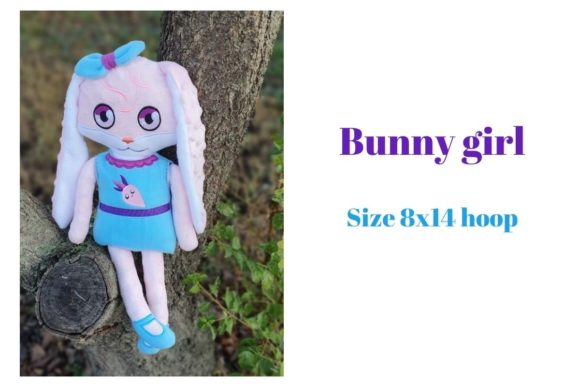
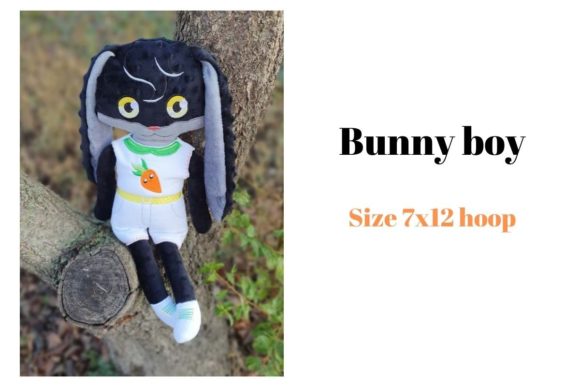
Opening any digital embroidery file sets the tone for a project, and this one feels instantly warm and intentional. The bunny rabbit boy has a gentle, friendly expression, soft rounded ears, and a sweet little dress that gives it a complete, polished look without being overly complex. It strikes a balance between rustic handmade charm and clean, modern silhouette—exactly what I look for when a client wants custom apparel that feels both approachable and premium. The design sits right in the Woodland Animals category, and that woodland character is a huge asset for brands that want to evoke nature, comfort, or nostalgia. Whether it’s a family bakery, a children’s boutique, or a pet brand, this bunny has the kind of universal appeal that makes a brand identity memorable.
Because the product description emphasizes that this is a complete doll, made entirely in the hoop, I know the digitized details are already optimized for clean, dimensional stitching. For a commercial embroidery setting, that means the bunny character itself can be lifted out of the doll file and used as a standalone motif without losing the integrity of the original embroidery file. The dress detail adds a touch of narrative, but I’d advise business owners to evaluate whether the dress aligns with their brand voice before using it on a cap embroidery or apron embroidery. Sometimes a simplified version of the bunny’s face and ears becomes a stronger logo accent.
Business Applications: From Patches to Promotional Products
Most small business owners come to me with a specific need: they want a single machine embroidery design that can live on multiple surfaces. I tested the visual concept of the Bunny Rabbit Boy across several real-world merchandise scenarios. The results are encouraging.
- Embroidered patch: The bunny’s clean outline and moderate detail make it a strong candidate for a 2.5 to 3-inch patch. I’d recommend running a test on felt or twill with a merrow edge to see how the ears and dress hold crisp definition. This could become a collectible patch for a café’s loyalty program or a cute add-on for a handmade children’s clothing line.
- Apron embroidery: Placed on a chest pocket or a bib apron, the bunny boy adds instant personality without overpowering a professional uniform. The soft expression works especially well for bakeries, florists, or artisan shops where the finished product needs to feel inviting.
- Cap design: On a unstructured dad cap or a kid’s cap, the bunny sits beautifully on the front panel. Because the design has rounded elements, it conforms well to the curved surface. I’d test the dress detail carefully at smaller sizes—if any fine lines become dense, they might cause puckering on a stiff cap front.
- Tote bag design: This is where the bunny truly shines. A large placement on a canvas tote bag turns a simple giveaway into a branded statement piece. The stitch density should be checked, but the design’s inherent softness pairs well with natural fabric texture.
- Product packaging accents: For a small business that wraps orders in kraft paper or muslin bags, a tiny bunny boy stitched on a fabric tag or a ribbon becomes an unforgettable unboxing detail. It’s a subtle way to reinforce brand identity without a full logo.
For Etsy sellers and craft business owners, this embroidery file is also a handmade product in itself. You can sell the finished bunny dolls, but you can also use the character to create branded merchandise like iron-on patches, thank-you cards with a stitched sample, or even a printable mockup to show customers what a custom order might look like. The multiple embroidery file formats mention in the description suggests broad machine compatibility, but I always recommend verifying exact formats and hoop requirements before purchasing.
Practical Embroidery Considerations for Branded Merch
When a design moves from a doll to branded merchandise, the technical demands shift. Here’s what I’d prioritize as an embroidery designer.
Test in black and white first. A monochrome version of the bunny boy reveals whether the design relies on color for legibility. If the outlines and key features hold up, the design will work on a variety of dark and light uniforms. I’d run a stitch-out on black fabric with white thread, then reverse it, to see if the thread colors need adjusting.
Check small patch size behavior. Many business owners want a patch that fits on a sleeve, a collar, or a cap side. I’d reduce the design to 1.5 inches and watch for thread breaks. The dress detail might need slight simplification at that size. The stitch density in the original doll file is likely optimized for a larger, dimensional object, so scaling down without adjusting density could lead to a stiff, bulletproof patch.
Evaluate thread color contrast. The bunny’s face, ears, and dress will have multiple color changes. On a custom apparel order, I’d test the design on a heathered fabric or a textured surface like a linen apron to ensure the lighter threads don’t disappear. The fabric texture matters—a looped terry towel will swallow fine details, while a smooth cotton twill will show every stitch beautifully.
Confirm hoop size and file compatibility. The description mentions full step-by-step instructions and multiple formats, but doesn’t list specific hoops. For a commercial embroidery machine, I’d check if the design fits a 4x4 hoop or requires a larger frame. If you’re planning to stitch the bunny as a patch, you’ll need to know the maximum stitch area. Never assume.
Use proper stabilizer and fabric testing. A patch needs a heavy cut-away stabilizer, while an apron on a soft cotton might only need a mid-weight tear-away. I always advise clients to create a printable mockup first, then stitch a sample on the actual garment. The bunny boy’s rounded edges are forgiving, but any design with a dress detail can shift if the stabilizer isn’t hooped correctly.
Elevating Brand Identity with a Woodland Mascot
One of the most valuable things I’ve learned working with small businesses is that a consistent, emotionally resonant character builds customer trust faster than a generic logo. The Bunny Rabbit Boy Doll ITH gives you a ready-made woodland mascot that feels authentic, not corporate. A florist could use the bunny on a kraft paper sleeve, a children’s bookstore could stitch it on canvas tote bags, and a pet boutique could place it on bandanas or treat pouches. This kind of visual consistency across all touchpoints—from staff uniforms to product packaging—makes a brand feel intentional and professional.
When a customer sees the same bunny embroidery on a shop apron, a loyalty card, and a shopping bag, they start to associate that image with quality and care. This is the power of design assets that work across multiple mediums. The bunny boy’s friendly, gender-neutral appeal also broadens its reach, making it suitable for a wide range of businesses without feeling niche or limiting.
Designer’s Checklist: Before You Stitch for Business
Every professional embroidery designer has a pre-production routine. Here’s mine for the Bunny Rabbit Boy Doll ITH design when used as a branded patch or merchandise accent.
- Open the digital embroidery file in your software and isolate the bunny character if you plan to omit the doll assembly parts.
- Run a black-and-white sample to confirm the silhouette reads clearly.
- Test at 2 inches, 2.5 inches, and 3 inches to find the sweet spot for patches and cap embroidery.
- Check the registration of the dress detail—make sure the thread colors don’t bleed into the bunny’s body on textured fabrics.
- Stitch on the exact fabric you’ll use for the final product: canvas, denim, jersey, or twill.
- Create a printable mockup for client approval, showing the bunny on a tote bag, apron, or cap.
- Compare the design beside other design assets in your brand kit to ensure visual harmony.
- Verify commercial embroidery licensing. The description doesn’t specify usage rights, so contact the digitizer to confirm you can use the design on products you sell.
Where to Use Extra Caution
No design is perfect for every surface. Based on the doll’s construction, I’d be careful with the Bunny Rabbit Boy on extremely small areas like a pen sleeve or a narrow hat strap. The dress element, while charming, might become unrecognizable below 1.5 inches. High stitch density on a curved surface like a cap front can also cause distortion if the digitizing isn’t adjusted—I’d run a test on a structured cap before committing to a bulk order. For uniforms that require frequent industrial washing, pay attention to the thread type and backing; the bunny’s delicate facial features could lose definition over time if the wrong stabilizer is used. And if you’re considering very dark uniforms, the default thread colors might need to be inverted for contrast.
Final Thoughts on the Bunny Rabbit Boy Doll ITH
From a small business merch perspective, this machine embroidery design overdelivers. It’s not just a doll file—it’s a character with genuine branding potential. The Woodland Animals category gives it a timeless, emotional hook that works for countless handmade and boutique businesses. Whether you’re stitching a single patch for a limited edition drop or decorating a full line of apparel, the Bunny Rabbit Boy brings professionalism, warmth, and a handmade signature that customers notice and remember. I’d recommend it to any Embroidery professional looking to add a versatile, story-driven asset to their commercial design library. Just remember to test, adjust, and always confirm your licensing before you turn this bunny into a brand ambassador.