Deer Head with Horns: A Designer’s Honest Take
I recently pulled the Deer Head with Horns machine embroidery design to test for a custom tote bag project. A client wanted a woodland-inspired baby shower gift that felt both rustic and refined. The plan was simple: stitch the design onto a heavyweight natural canvas tote, maybe add a name underneath, and pair it with a coordinating blanket. Before pressing start, I spent time with the digital embroidery file, considering how the shape, detail, and mood would translate from screen to stitched product. What I found was a design that leans heavily on silhouette confidence and theme, but it also demands thoughtful fabric and stabilizer choices to truly shine.
First Impressions: Mood and Visual Personality
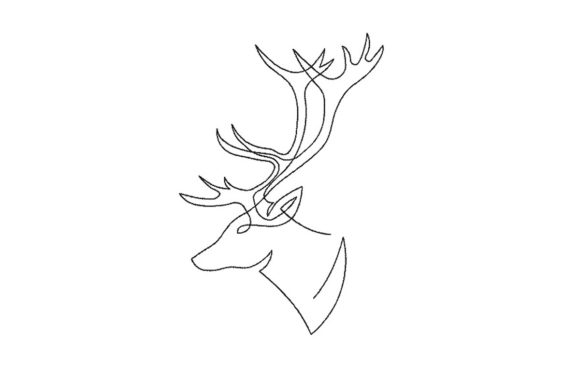
Opening the Deer Head with Horns embroidery file, I immediately noticed the way the antlers dominate the layout. They spread outward with a structured, almost architectural feel, while the head itself stays compact and centered. This creates a strong focal point without unnecessary clutter. The overall mood is calm woodland dignity—think quiet forest mornings, not cartoonish or overly playful. It fits the Woodland Animals category beautifully, but with a slightly more mature edge than a simple baby deer silhouette.
The description mentions you can choose the color scheme at your discretion. I appreciate that flexibility. In my test, I auditioned several thread palettes on a digital mockup. A warm mushroom brown for the face, soft cream for the muzzle, and deep charcoal for the antlers gave it a sophisticated, cabin-retail look. Alternatively, metallic gold antlers on a forest green sweatshirt turned it into a holiday statement piece. The design’s personality adapts—earthy and natural for everyday items, bold and graphic for modern apparel.
Where This Design Really Belongs
After stitching the first sample, I could instantly see the Deer Head with Horns living on a curated list of handmade products. It belongs on:
- Structured tote bags and canvas totes
- Unisex sweatshirts and hoodies
- Linen or cotton pillow covers
- Kitchen tea towels with a rustic kitchen theme
- Aprons for artisan bakers or gardeners
- Nursery wall hangings or framed hoop art
- Embroidered patches for denim jackets
For small shop owners, this design hits a sweet spot. It can be the anchor of a boutique product line, especially if you pair it with simple text, like a family name or a short quote. I’ve already added it to my mental list of go-to digital embroidery file assets for fall and winter market prep. It also works beautifully as a personalized gift—imagine a hoodie with “Grandpa’s Cabin” underneath, or a baby blanket with the deer head and a birth announcement.
Real-World Stitching Performance
I tested the design on a mid-weight cotton twill fabric with a medium-weight cutaway stabilizer. The first run came out clean, but there were a few areas I’d flag for anyone using this machine embroidery design for the first time.
The antlers contain fine branching points that rely on satin stitch and some fill stitch sections. On a properly hooped, stable fabric, those details held up nicely. However, I noticed that if your thread tension is even slightly off, the narrow tips can lose definition. I would not recommend running this on a thin, stretchy fabric without a solid backing. The deer head itself uses a mix of running stitch for delicate outline and denser fills for the ears and muzzle. The contrast between open areas and filled sections gives the design a pleasing hand-drawn quality, but it also means you need to check stitch density before committing to the final piece.
One thing I always do is test the design in black and white on a printed mockup to see how the values read. The Deer Head with Horns holds up even without color, which tells me the composition is strong enough for high-contrast fabric choices, like white thread on a dark charcoal sweatshirt. That’s a big plus for commercial embroidery where you often need a design that works across multiple product colors.
Careful Considerations for Specific Fabrics and Surfaces
If you’re planning to stitch this on curved surfaces, like a cap or a structured hat, proceed with caution. The antler span is wide, and without careful digitizing adjustments, the outer edges risk distortion. I tend to reserve this design for flatter areas—chest of a sweatshirt, back of a denim jacket, or a tote bag panel. It’s not impossible for caps, but you’ll need to test hoop placement and possibly resize the embroidery file to fit a smaller hoop size.
Textured fabrics like terrycloth or chunky knit sweaters can swallow the fine antler details. For those, I’d recommend using a water-soluble topper to keep the stitches crisp on the surface. I also advise against using this design on ultra-thin or loosely woven fabrics unless you’re prepared to add a sturdy backing and accept that the heavy fill areas might pucker slightly. It’s always a balancing act between the design’s visual impact and the fabric texture you choose.
For dark fabrics, the thread color contrast becomes essential. I’ve found that a slightly lighter, muted thread for the deer’s face prevents the design from disappearing into the background. Test a few thread colors on a scrap of the exact fabric before stitching the final product. Also, if the finished item will be washed frequently—like a baby onesie or a kitchen towel—make sure the stitch density isn’t so high that it creates a stiff, uncomfortable patch. A well-digitized file will feel soft yet durable.
Practical Designer Notes for Success
Whether you’re an Etsy seller, a craft fair vendor, or just someone stitching for personal joy, a few practical steps can elevate the outcome with this design:
- Test on scrap fabric first. Don’t let the first stitch be on the final product. I wasted a lovely organic cotton onesie this way years ago, and it still stings.
- Check hoop size compatibility. The description doesn’t list exact dimensions, so confirm the file’s native size and any pre-split versions before you buy. I’ve learned to always ask the seller if the details aren’t clear.
- Review stitch density and color stops. Open the file in your embroidery software and walk through the sequence. Note where dense fills meet thin outlines. A slight density adjustment can save you from thread breaks.
- Use the right stabilizer. For structured bags and denim, a cutaway stabilizer is non-negotiable. For lighter fabrics like linen, a tear-away with a temporary adhesive spray works wonders.
- Test on light and dark fabric backgrounds. The design’s impact changes dramatically. I stitch a quick sample on both a cream and a navy fabric to see which version makes the antlers pop.
- Check licensing before selling finished items. Not all digital embroidery file purchases include commercial rights. If you plan to use the Deer Head with Horns on products for your craft business, verify the license terms. The description doesn’t specify, so a polite message to the seller is a wise move.
Monetizing the Design: Value and Customer Appeal
From a small business lens, the Deer Head with Horns adds a perceived value that goes beyond the stitch count. Customers recognize the silhouette immediately. It feels intentional, like a signature piece rather than a generic clipart. When I showed the tote bag sample to a few repeat buyers, they reacted with “That’s so my style,” and two asked about custom orders on the spot. That’s the kind of engagement a well-chosen design can bring.
For handmade product photography, this design photographs beautifully. The antlers create a frame-like effect, drawing the eye to the center. I’ve used it in printable mockups to preview sweatshirt listings, and it consistently helps the product stand out in a crowded Etsy search. If you’re building a cohesive brand around woodland or nature motifs, this can serve as your hero design asset—the one that anchors your entire collection.
Giftability is another strong suit. A Deer Head with Horns embroidered blanket or pillow cover feels personal without being overly sentimental. It works for new parents, cabin owners, outdoor enthusiasts, and even as a tasteful memorial piece. I’ve stitched it on a simple linen pillow with a date underneath, and the recipient treasured it as a keepsake.
Final Thoughts Before You Stitch
The Deer Head with Horns embroidery design earns its place in my library because it’s versatile, visually balanced, and capable of elevating everyday items into something that feels curated. That said, it’s not a “one-click-and-forget” file. You’ll need to match thread colors thoughtfully, respect the fabric limitations, and do the upfront testing that professional embroidery project work always requires. If you’re the type of maker who enjoys the process—who sees stabilizer testing as part of the craft—this design will reward you with a finished product that looks intentional and well-made. For Etsy sellers and small shop owners, it’s the kind of piece that quietly builds trust because it feels like a design the maker actually cared about.
Grab some scrap fabric, thread up a few muted earthy tones, and see how the Deer Head with Horns behaves in your machine. The right material choices will turn this woodland motif into a staple that customers—and your own creative heart—keep coming back to.