Chicken Embroidery Design Review for Craft Fair Sellers
Stepping into my stitching studio with a fresh design file called Chicken immediately sparks that familiar craft fair excitement. The name alone is simple, direct, and full of personality. As an embroidery designer who spends every weekend season setting up booths and watching customers browse, I know exactly what catches the eye across a crowded market hall. A well-executed chicken motif can be a powerhouse seller—rustic, charming, a little funny, and deeply connected to farmhouse and kitchen trends that never seem to fade. The description promises a high-quality, detailed embroidery that works on any fabric, from clothing to home decor. Already, I'm picturing tea towels, aprons, tote bags, and little zipper pouches. But before I cut a single piece of stabilizer, I need to evaluate this machine embroidery design through the lens of a seller who needs every product to earn its place on the table.
What Makes Chicken Stand Out in a Craft Fair Booth
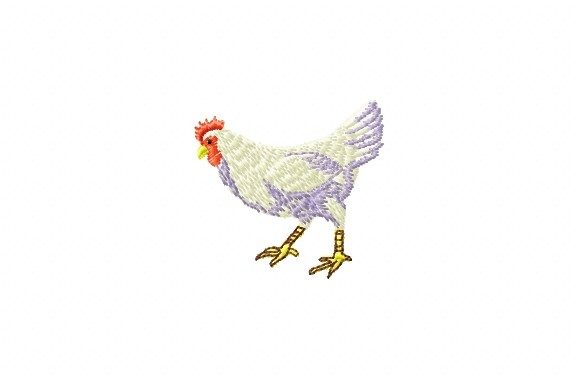
First impressions matter more than perfect stitching. The Chicken design, based on its title and the category of Birds, likely leans into a style that feels warm, approachable, and a touch nostalgic. It could be a realistic, detailed hen with layered feathers, or a more stylized, graphic bird that reads as modern farmhouse. Either way, the visual mood fits right into the handmade market sweet spot. When a shopper walks by, a chicken embroidery triggers an instant emotional connection—memories of grandma's kitchen, a love for country living, or simply a smile at the unexpected charm of a bird on a handbag. This design will not whisper; it will catch glances. That bold recognition factor is gold for a craft fair product, where you have about three seconds to stop someone. I can already see it as a focal point on a market tote, with the right thread colors turning a plain canvas bag into a conversation piece.
Best Products for Showcasing the Chicken Design
Where you place Chicken determines how well it sells. I always test every design against a mental list of booth staples:
- Tea towels and kitchen towels – The natural home for a chicken motif. A crisp white or natural linen towel with a deep red or charcoal thread instantly becomes a farmhouse essential. Customers love picking these up as hostess gifts or little treats for themselves.
- Aprons – A full-chest apron with the chicken centered on the bib is a showstopper. It feels personal, custom, and fits right into the handmade foodie movement. Keep the placement high enough to avoid the waist tie.
- Tote bags – A large canvas tote with the design stitched prominently on the front pocket or main panel turns a basic carryall into a statement piece. Great for farmers' market shoppers, and the bigger surface area lets the embroidery shine.
- Pillow covers – A linen or cotton pillow cover with the chicken centered adds instant farmhouse charm to a booth. It photographs beautifully for Etsy sellers and draws people into the display.
- Embroidered patches – If the design scales down cleanly, a patch version can be stitched onto a jacket, cap, or bag. Patches are impulse buys that boost average transaction value.
- Fabric pouches and zipper bags – Perfect for small accents, especially if the design has a compact version or can be reduced without losing detail. These make excellent add-on gifts.
- Caps – A curved cap surface is tricky, but a chicken on the front panel can be a quirky, standout item for a niche audience. I'd test this carefully on a structured cap before committing.
For my own booth, I'd probably lead with tea towels and aprons as the core lineup, then add a tote bag as the hero piece that draws people in from the aisle. The mix of practical kitchen items and wearable accessories covers a wide range of price points and customer types.
Practical Production Notes for Chicken
Before I thread a needle, I always run a mental checklist that saves me from wasted blanks and late-night seam ripping. The Chicken design, being described as detailed, will likely have areas of dense stitching, tiny eye details, and feather textures. These are beautiful but demand respect for the materials.
First, I check the stitch density. If the design packs too many stitches into a small space, it can cause puckering on lightweight fabrics or even break needles on thicker ones. I always test on scrap fabric that matches the final product weight. For a tea towel, I'd use a medium-weight cutaway stabilizer to support the embroidery file without stiffening the towel too much. For a tote bag, a tear-away might work if the design is not too dense, but I lean toward a no-show mesh cutaway for a clean back.
Thread colors matter enormously. A chicken design can go wrong fast if the comb and wattle blend into the body, or if the background fabric is too dark. I map out thread choices on a printable mockup before stitching. White, cream, rust, deep brown, and soft yellow are classic, but I might also test a bolder palette—like a slate blue chicken on a natural linen background—for a more modern, boutique feel. Contrast is key; the design needs to pop from across the booth.
Hoop size is another critical detail not specified in the description. I always confirm the maximum embroidery area my machine can handle and choose a hoop that leaves enough margin around the design. A chicken that fills a 4x4 hoop is perfect for small patches and pouches, while a 5x7 or 6x10 version opens up the apron and pillow possibilities. I never assume a design will scale perfectly without distortion, so I stitch a sample at the intended final size to check small details like the eye and feet.
Stabilizer choice ties directly to the fabric texture. Textured towels or waffle weaves can swallow fine details, so I might use a water-soluble topper to keep the stitches crisp. For curved cap surfaces, I use a firm cap hoop and a dense cutaway stabilizer to prevent shifting. Always test.
Tips for Selling Chicken Products at Markets and Online
Once the production is dialed in, the real work begins: turning a beautifully stitched item into a sale. The Chicken design has a natural storytelling quality. I'd label the products with tags that say something like "Farmhouse Fresh" or "Handstitched Hen" to reinforce the handmade product value. At the booth, grouping chicken items together creates a strong visual theme that stops passersby. I hang a tea towel, drape an apron, and display a tote bag on a stand, all within the same color story. That kind of presentation builds brand consistency and makes the booth feel like a curated collection rather than a random assortment.
For Etsy sellers and small shop owners, photography is everything. The embroidery needs to be photographed in natural light, with close-up shots that show the stitch detail. A flat lay of a tea towel with a wooden spoon and a sprig of rosemary tells the farmhouse story instantly. A lifestyle shot of someone holding a chicken tote bag at a farmers' market makes the product aspirational. I always include a printable mockup in my digital embroidery file bundle if I'm selling the design digitally, so buyers can visualize the finished product. Those design assets reduce the barrier to entry for a new stitcher and increase the perceived value of the purchase.
Pricing should reflect the perceived quality. A detailed chicken embroidery on a high-quality linen tea towel can command a premium over a simple monogram. I price based on materials, stitch time, and the emotional appeal of the design. At a craft fair, I might offer a bundle discount: buy the tea towel and apron set and save a few dollars. That moves more product and increases the average sale.
Potential Pitfalls to Watch Out For
Even the most charming design can trip you up if you ignore the stitch realities. With Chicken, I'd be cautious about these areas:
- Dense stitch areas – Feathers, wings, and tail sections can become bulletproof patches that pucker the fabric. I'd run a sewout on a similar weight fabric and press carefully. If the area feels stiff, I might adjust the density in the embroidery file or use a lighter stabilizer underlay.
- Tiny details – The eye, comb, and feet details are what give the chicken its personality. If these are too small, they can become a blurry mess or cause thread breaks. I always check the stitch count and the smallest element size. If the design is meant to be shrunk to a 2-inch patch, those details might vanish. I'd create a dedicated smaller version with simplified details for patch use.
- Dark fabric – A chicken with light-colored body highlights might disappear on a white towel, but oddly enough, a dark background can also swallow the design if there isn't enough contrast. I test on both light and dark fabrics to see where it pops best. Sometimes adding a thin outline or a subtle shadow layer makes all the difference.
- Textured towels – Terry cloth, waffle weave, or slubby linen can cause the stitches to sink in. A water-soluble topper is my best friend here. I also adjust the stitch angle to avoid catching the loops.
- Curved cap surfaces – The chicken's orientation matters. If the design is tall and narrow, it might not fit well on the front panel of a cap. I look for a design that is more horizontal or can be split into a left-chest and full-front version.
I never skip the scrap test. I stitch out the design on a piece of fabric that mimics the final product, trim the jump stitches, and check the back for cleanliness. If the back is a tangled mess, I know I need to adjust the tension or trimming. A clean back is a sign of a professional handmade product, and customers do notice.
Final Verdict: Is Chicken Worth Stitching for Your Next Show?
After mentally walking through the entire process—from thread color selection to booth display—I can confidently say that Chicken has the bones of a top-selling craft fair product. The subject matter is universally appealing, the category is evergreen, and the opportunity to create a cohesive collection around a single bird design is strong. The key is to stitch it right, choose the right products to showcase it, and present it with a story that resonates with the farmhouse-loving, handmade-seeking crowd.
Before you commit to a full production run, verify the specifics. Check the hoop size, stitch count, and file format to ensure compatibility with your machine. Confirm the embroidery file is licensed for commercial use if you plan to sell the finished items—this is critical for small shop owners and Etsy sellers. Always run a test sewout, snap a few photos for your listing, and create at least one real mockup product to inspect in person. If the file is digitized well and you respect the stitch density, Chicken will deliver that perfect blend of rustic charm and professional quality that turns a browsing customer into a buyer. I'd proudly hang a tea towel with this design at the front of my booth and watch the compliments roll in.