Contour Daisies: A Craft Fair Designer's Review
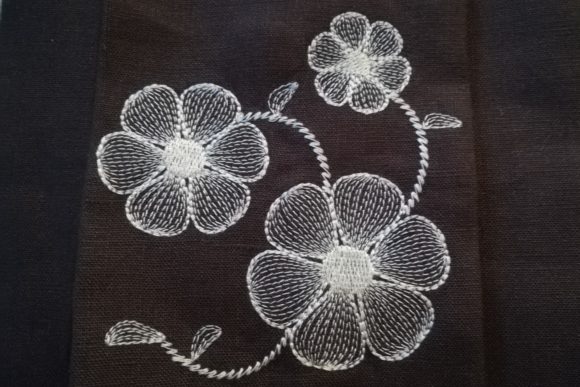
As an embroidery designer preparing for a weekend craft fair, every design file needs to pass a simple test: will it look good on a product, sell quickly from a booth, and be practical to produce in batches? When reviewing the Contour Daisies embroidery file for market, my first impression is of a soft, modern, and decorative design. It leans into a contemporary farmhouse feel—not overly rustic, not overly bold, but undeniably pretty. That open, lightweight stitching described suggests visual freshness and production speed, which are both gold for a busy maker.
Where Contour Daisies Shines on Market Products
This spray of daisies belongs to the bouquets category, but its application is wonderfully versatile. For a craft fair booth, I visualize it immediately on certain key products. A hanging kitchen towel, as hinted in the description, is a classic and strong starting point. The open stitching keeps it breathable and perfect for linen or cotton towels. But its potential extends much further.
On a minimalist canvas tote bag or a market bag, Contour Daisies would act as a beautiful focal point without being too heavy or dense. For apron embroidery, placed on a pocket or corner, it adds a decorative touch that feels handmade and special. Smaller items like fabric pouches or pillow covers benefit from its decorative spray, elevating a simple item into a giftable handmade product. As an embroidered patch, it could be stunning, but careful attention to stabilizer and stitch density is required to maintain its open, contour look on a separate patch substrate.
Production Practicality for Small Shop Owners
The description notes it can be stitched in three colors or monotone. This is a huge advantage for batch production. You can create a cohesive product line using the same design but varying thread colors to match different fabric bases—think a neutral monotone on a dark linen towel and a three-color version on a light canvas tote. This speeds up setup and creates a beautiful, varied display on your table.
Because the design is described as open and lightweight, it should stitch quickly, saving thread and time. This makes it an excellent candidate for producing multiple units for a fair. However, the note that it is not suitable for pile fabrics is crucial. Avoid terrycloth towels or very textured fabrics where the detail might get lost. Always test the design on scrap fabric first, especially if you're using a textured tea towel or a curved surface like a cap. Confirm the hoop size required with the file provider to ensure it fits your intended products.
Critical Considerations for Booth Success
The visual appeal of Contour Daisies is its clean, illustrative quality. It should photograph beautifully for your Etsy listings and printable mockups, which is essential for digital sellers and those promoting their fair online. In person, at a booth, its clarity will attract customers looking for something decorative and premium without being fussy. It feels repeatable and consistent, aiding brand consistency across your product range.
However, pay close attention to stitch density and detail size. Open stitching can sometimes mean longer stitch runs. On very dark fabric, ensure your thread contrast is high enough for the design to pop. On curved surfaces like caps, the design might need a specific stabilizer to prevent distortion. Since it's a spray, review the spacing—it might work best as a larger focal design rather than a tiny accent, depending on the specified size. Always create at least one real mockup on your final product. Compare how it looks on different fabric colors; a monotone version on a colored background could be incredibly effective.
Maximizing Customer Attention and Product Value
At a craft fair, your booth display strength comes from showing a design on its best possible product. For Contour Daisies, I believe its best chance to sell is on home decor and kitchen items—the towel, the pillow cover, the apron. These items naturally communicate a handmade quality and useful beauty that customers at fairs love. Stitched on a high-quality natural fabric, it increases the perceived product value.
Display it prominently. Hang that towel. Have a tote bag front-facing on your table. This engages buyers by showing the design in a real-life context. The name Contour Daisies itself suggests a clean, outlined style, which appeals to customers seeking modern, minimalist embroidery. It’s not festive or funny; it’s elegant and soft, which fits a wide audience.
For commercial embroidery and selling finished products, ensure you have checked the commercial licensing terms of the digital embroidery file before producing any items for sale. This is a non-negotiable step for every professional maker and Etsy seller.
Final Designer Notes Before the Fair
To turn Contour Daisies into successful craft fair products, my actionable checklist would be:
- Stitch a test sample on the exact fabric and color you plan to use, checking for clarity and contrast.
- Produce it in both a three-color and a monotone version to offer visual variety on your table.
- Anchor it to products that highlight its decorative, open quality—avoid dense fabrics and small-scale applications where detail might vanish.
- Use the appropriate stabilizer for each fabric type to maintain the lightweight stitch integrity.
- Photograph your finished products in good light for online assets and booth signage.
- Display it on products customers can immediately understand and touch, maximizing buyer engagement.
Contour Daisies has the makings of a reliable, sellable design for handmade markets. Its mood is right, its production seems efficient, and its application on a range of products can create a cohesive, attractive booth collection. With careful production testing and a focus on its best product matches, this embroidery design can become a quiet standout on your sales table.