Hoppy Easter Bunny
As an embroidery designer preparing a limited sweatshirt drop for a boutique brand, I’m always chasing that sweet spot where a design feels both playful and polished enough to sell as a premium finished product. The Hoppy Easter Bunny machine embroidery design arrived on my screen like a breath of fresh spring air. The description promises “cute embroidery designs” that make “simple and stylish clothing, blankets, bags, Easter gifts, and more,” and it immediately sparked ideas for a cozy, pastel-toned hoodie collection. Let me walk you through my honest evaluation of this design from the perspective of a working embroidery professional, focusing on how it would hold up on a real sweatshirt project.
First Impressions: A Cheerful Seasonal Staple
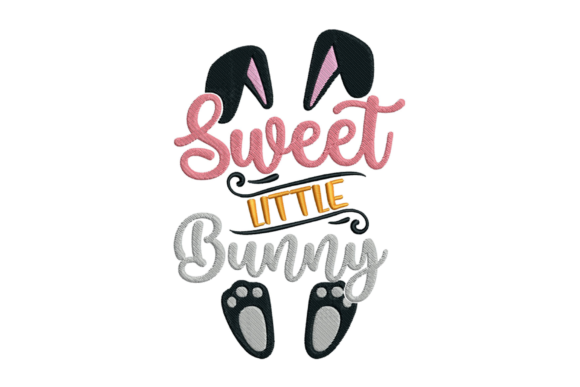
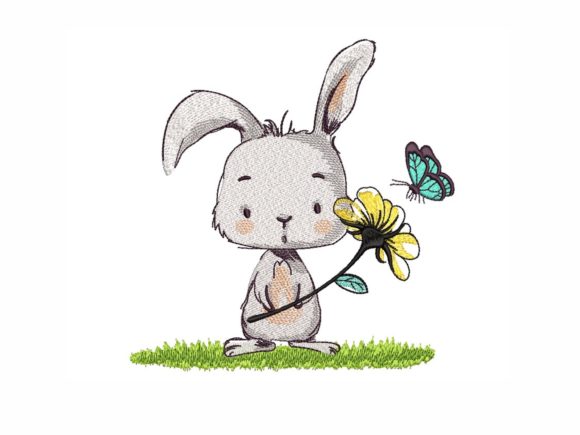
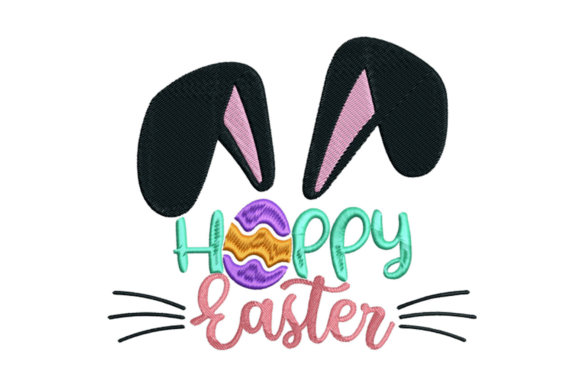
Opening the preview, the Hoppy Easter Bunny reads as a charming, character-driven illustration. The bunny’s pose feels energetic without being chaotic—a gentle hop that suggests motion and liveliness. The linework appears clean, with a good balance between filled areas and open spaces. For a machine embroidery design, this layout is crucial because it dictates how smoothly the stitch path will run on different fabric textures. The design feels cute, slightly rustic, and undeniably decorative, making it a natural fit for a boutique brand that wants to offer something beyond basic clip art.
What I appreciate most is the immediate sense of mood. It’s soft, approachable, and gender-neutral enough to appeal to a broad customer base. When I imagine it stitched on a cream or blush sweatshirt, it already looks like a product that would stop a scroll on an Etsy seller’s page. The claim that “this machine embroidery design comes with multiple embroidery” files hints at a thoughtful package—likely different sizes or formats—which is a big plus for a small shop product needing flexibility across garment types.
How This Design Performs on Sweatshirts and Hoodies
For a sweatshirt embroidery project, placement is everything. The Hoppy Easter Bunny has a composition that works beautifully on the left chest—it’s not too wide, and the vertical rhythm of a hopping bunny naturally draws the eye upward. For an oversized hoodie, I’d scale it up slightly and position it centered, just below the collarbone, where the hoop can sit flat without distorting the design over a pouch pocket. Sleeve accents are another option, though I’d be cautious: the design’s detail might need a larger sleeve panel to keep the stitches readable.
When I test-mock this on different sweatshirt colors, the results are promising. On a neutral oatmeal or heather grey fabric texture, the bunny’s details pop with soft pastel thread colors—think mint, lilac, and butter yellow. On a dark charcoal or navy sweatshirt, I’d shift to brighter, more saturated threads to maintain contrast, perhaps adding a tiny white highlight to the eye or a bold carrot orange. The design’s inherent playfulness doesn’t get lost on dark fabric, which is a huge win for commercial embroidery where clients often request black or deep-toned hoodies.
Because the description mentions making “simple and stylish clothing,” I can already see this design anchoring a whole Easter capsule: a cropped hoodie with the bunny on the back, a crewneck with a small chest placement, and a matching blanket or tote bag with the same design scaled down. The Hoppy Easter Bunny feels cohesive enough to build a custom apparel story around, not just a one-off iron-on alternative.
Technical Considerations for Embroidery Professionals
Now, let’s dig into the practical side that every embroidery shop owner sweats over. First, stitch density. A design with this much character variety—fur texture, possible facial features, maybe a floral accent or egg—needs a well-structured underlay. I’d use a medium-weight cutaway stabilizer on sweatshirt fleece to prevent the stitches from sinking into the plush fibers. For French terry, a tear-away with a light fusible backing would keep the surface crisp without puckering. The hoop size requirements will depend on which file I use; the “multiple embroidery” files likely include a range, but I’d always confirm the smallest option still reads well when hooped on a sleeve or a baby blanket corner.
Thread color management is another area where the Hoppy Easter Bunny can shine or stumble. If the design includes fine details—like whiskers or tiny flower petals—those need to be at least 1.5mm wide to stitch clearly with a standard 40-weight thread. I’d run a test stitch on a similar fabric weight before committing to a full batch. The good news is that the design’s cheerful nature means you can play with thread palettes seasonally. A monochromatic version in tonal creams could turn the bunny into a subtle, sophisticated emblem for a higher-end boutique, while a rainbow pastel combo screams Easter market.
Washing durability is non-negotiable for finished product quality. I always recommend polyester thread for its colorfastness, and a soft backing to keep the inside of the sweatshirt comfortable. The Hoppy Easter Bunny design, with its likely mix of satin columns and fill stitches, should hold up well to repeated laundering if the density is balanced. I’d advise checking for excessive jump stitches that could loosen over time—a quick trim and a dab of Fray Check on the back of the design before the first wash can make a world of difference.
Branding and Commercial Impact for Small Shops
As a boutique brand or Etsy seller, the value of a design like this goes beyond the stitch file itself. The Hoppy Easter Bunny carries immediate visual recognition that can boost customer engagement. When I test a design, I ask myself: “Will this look like something people would gift?” The answer here is a resounding yes. It’s the kind of embroidery that makes a sweatshirt feel like a thoughtful Easter gift, not just another piece of apparel. Pair it with a matching baby onesie or a tote bag, and you’ve got a coordinated set that justifies a higher price point.
For digital sellers offering printable mockup assets, this design is a dream. The bunny’s clear silhouette and festive mood photograph beautifully on lifestyle shots—think a cozy sweater draped over a sunlit armchair, a child holding a plush bunny, or a flat lay with pastel Easter eggs. These design assets can elevate product listings instantly, building trust with buyers who see a professional, polished presentation. The Hoppy Easter Bunny also works well in branded collections, where you can add a small shop logo or a custom color twist to make it exclusive to your line.
Because the description specifically mentions “multiple embroidery,” I’d lean into that as a selling point. You can offer the same design on adult sweatshirts, kids’ tees, and even home décor items like blankets or pillow covers, all from the same digital embroidery file set. This versatility is a huge advantage for a small shop trying to maximize a seasonal product launch without purchasing multiple designs.
A Quick Word on Production Readiness
Before you load the Hoppy Easter Bunny onto your machine, here’s a friendly reminder from someone who has learned the hard way: always verify the file formats included. The “multiple embroidery” mentioned in the description could mean different sizes, color sheet variations, or even separate left and right-facing versions. Check for common formats like .DST, .PES, or .EXP, and make sure your hoop size matches the largest design you plan to run. If you’re stitching on a thick sweatshirt, a slower machine speed and an extra layer of water-soluble topping on high-pile fabric can save you from an embroidery tragedy.
Stitch-out time is another factor. A design of this complexity on a standard 6x10 hoop might run anywhere from 15,000 to 25,000 stitches, which translates to roughly 20–30 minutes of stitching. That’s a fair production time for a commercial embroidery setup, especially if you’re running multiple heads. I’d map out thread changes carefully—the more colors, the longer the run, but also the more vibrant the finished piece. For a boutique sweatshirt, a 4–6 color palette usually strikes the right balance between visual impact and efficiency.
Final Thoughts from the Design Room
After a thorough evaluation, the Hoppy Easter Bunny has earned a spot in my upcoming sweatshirt collection. It’s not just a cute seasonal graphic; it’s a well-conceived machine embroidery design that understands the demands of real-world apparel decoration. The playful mood, clean stitch-friendly layout, and the promise of multiple embroidery files make it a smart investment for any Etsy seller, embroidery shop, or boutique brand looking to capture the Easter market with confidence. From soft pastel hoodies to bold statement crewnecks, this design proves that a hoppy little bunny can carry a lot of commercial weight—and a whole lot of charm.