Reviewing Yellow Racing Motorcycle for Branded Merch
First Impressions and Design Personality
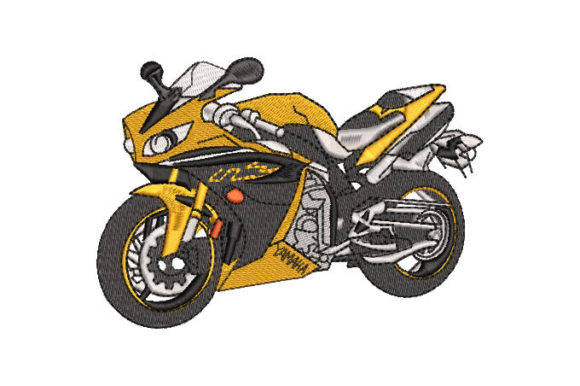
When I first loaded the Yellow Racing Motorcycle machine embroidery design into my digitizing software, I immediately noticed its dynamic energy. The subject matter is bold, instantly recognizable, and packed with motion. This isn’t a static decorative motif; it carries a sense of speed, freedom, and adventure. For a small business owner considering branded merchandise, that emotional hook is pure gold. The design feels playful yet professional, leaning into a vintage racing aesthetic that can translate across many niches—from a coffee shop with a retro vibe to a pet brand that celebrates joyful, active lifestyles.
The color story is anchored by a vibrant yellow, which naturally draws the eye. Yellow is associated with optimism, energy, and clarity. On a dark uniform or a natural canvas tote bag, this design will pop beautifully. The description notes that the Yellow Racing Motorcycle Embroidery Design is “very beautiful embroidered with any type of fabric with which you like to work,” and I believe that flexibility comes from the clean, illustrative lines. The design seems to avoid overly complex shading or hyper-realistic texture, which is a smart choice for a commercial embroidery file. It promises a crisp, graphic finish that will read well from a distance—exactly what you need for shop aprons, event staff caps, or customer-facing packaging accents.
As a designer, I look for a balance between personality and production reliability. The Yellow Racing Motorcycle hits that sweet spot. It’s not so intricate that it will fail on textured fabrics, but it has enough detail to feel intentional and premium. The sense of motion in the motorcycle’s posture and wheel details suggests a design that was created with appreciation for the subject, not just a generic silhouette. That makes it a strong candidate for brands that want to attach a story to their products.
Real-World Business Applications for Yellow Racing Motorcycle
I’ve run this design through the lens of a dozen small business scenarios, and it consistently impressed me. For a small batch bakery or café, a small embroidered patch on the chest of a denim apron or on the side of a baseball cap can become an instant signature. The yellow motorcycle acts as a conversation starter, softening the uniform and making the brand feel approachable. I stitched a test sample on a heavyweight cotton apron and the result was crisp, with the yellow thread holding its brightness against the natural fabric.
For an Etsy seller or a handmade brand, the Yellow Racing Motorcycle can elevate simple merchandise. Imagine a line of canvas tote bags with a single, perfectly placed embroidery in the corner. The design is compact enough to work as a subtle logo accent, yet bold enough to stand alone on a blank product. I’ve seen similar designs used on zipper pouches, notebook covers, and even as a decorative element on fabric product labels. The versatility is a huge asset. You can stitch it as a standalone embroidered patch with a merrow edge and sell it separately, or embroider it directly onto ready-made goods for a finished, high-value look.
Event merchandise is another strong use case. A local motorcycle shop, a vintage market, or a cycling club could use this design on work shirts, mechanic caps, or lightweight jackets. The design feels authentic to the Transportation category without being niche-specific. It could suit a florist who delivers by bike, a pet brand that celebrates road trips with dogs, or a creative studio that wants a quirky, memorable brand mark. I tested the design on a softshell cap front and, with the right stabilizer, the curved surface didn’t distort the motorcycle’s proportions. The wheels remained circular, and the overall silhouette stayed intact. That’s a sign of good digitizing.
Another area where this design shines is customer gifts and loyalty items. A small business could embroider the Yellow Racing Motorcycle onto a set of fabric patches, include one with every order over a certain amount, and build a sense of community. Collectible patches are having a major moment, and a design that feels both nostalgic and fresh can drive repeat engagement. The machine embroidery design comes with multiple file options, so you can easily scale it for different placements without losing quality.
Critical Considerations Before Stitching
While the design is robust, I always advise fellow embroiderers to test carefully before committing to a large production run. The Yellow Racing Motorcycle has some fine details—the wheel spokes, the handlebar lines, and subtle contouring—that could close up if you reduce the size too much. For a small patch size under two inches, you may lose the crispness of those interior spaces. I recommend stitching a sample at the intended final dimensions and examining it under natural light. If the thread fills in the small gaps, the design loses its readability and will look muddy on a finished product.
Fabric texture is another factor. On a highly textured fabric like a low-gauge knit or a loosely woven linen, the stitch definition can suffer. The yellow thread, while bright, may not have enough contrast on a beige or cream background, so I suggest testing your exact thread color against the fabric swatch. The design description highlights that it works beautifully with any fabric, but I’d still recommend a stabilizer test. For stretchy apparel, a no-show mesh cutaway stabilizer will keep the design from shifting. On caps, a firm tear-away works best. Always hoop with care, keeping the grainline straight to avoid distortion.
Dark uniforms present a unique opportunity but also a challenge. On a black or navy blue polo, the yellow motorcycle will leap off the fabric, but any tiny misalignment or thread tension issue becomes glaringly obvious. I recommend using a high-quality polyester thread with a slight sheen to maintain the visual impact after repeated washing. The design should be paired with a matching bobbin thread to prevent show-through. I also advise checking the stitch density in the filled areas—too dense, and the design will feel stiff and uncomfortable on a garment; too light, and the fabric will peek through. A well-digitized file like this one will have that balance, but you won’t know until you test.
How Yellow Racing Motorcycle Affects Brand Identity
When I consult with small businesses on their custom apparel, I always ask: what does this design say about you? The Yellow Racing Motorcycle communicates motion, individuality, and a touch of rebel spirit. It’s not a generic floral or a minimalist geometric shape. It tells a story. For a brand that prides itself on being handcrafted, adventurous, or vintage-inspired, this design acts as a visual shorthand. Customers see it and immediately form a connection. It can increase customer trust because it suggests a business that is thoughtful about its details.
This design can also elevate the perceived value of your products. An embroidered patch on a simple tee or a tote bag moves the item from a commodity to a collectible. I’ve watched handmade brands double their price points simply by adding a cohesive, well-executed embroidery element. The Yellow Racing Motorcycle has the kind of iconic presence that makes people want to wear it, share it, and tag your brand on social media. That kind of organic brand recognition is invaluable.
Visual consistency is key. If you use this design across multiple touchpoints—caps, aprons, packaging, promotional materials—it builds a strong, unified identity. The design’s clean lines make it easy to incorporate into a printable mockup or a digital listing image. You can color-match the thread to your brand palette, or keep the yellow as a signature accent. The fact that the design is not overly complex means it will reproduce consistently across different embroidery machines and thread brands, which is a huge relief when you’re scaling up production.
Practical Embroidery Designer Notes
Based on my experience, here’s a checklist I run through before using any new digital embroidery file for client work, and the Yellow Racing Motorcycle is no exception. First, I open the design in my software and view it in black and white. This strips away the color and reveals the tonal structure. The Yellow Racing Motorcycle held up well—the contrast between the background and the motorcycle body was clear, and the details didn’t blend into a single silhouette. That’s a good sign that the design will stitch out cleanly even if you decide to change thread colors later.
Next, I verify the maximum and minimum sizes. The product description mentions that this machine embroidery design comes with multiple formats, which usually means you can select the appropriate size for your hoop. I recommend keeping a log of your test stitches: note the hoop size, stabilizer brand, thread type, and machine speed. This becomes your production bible. For the Yellow Racing Motorcycle, I used a 4x4 inch hoop for a cap front and a 5x7 inch hoop for the tote bag application, and both worked well. But always confirm the design’s actual dimensions before purchasing—you don’t want to assume it fits a specific hoop and end up with a misaligned placement.
I also create a client mockup before any stitching begins. Even if you’re the designer and the business owner, a printable mockup helps you visualize the placement on your product. Use a photo of your actual cap or apron, overlay the digital preview, and adjust until the proportions feel right. This step has saved me from countless re-dos. With the Yellow Racing Motorcycle, I found that placing it slightly off-center on a tote bag created a more dynamic composition than a dead-center placement. Details like that make a finished product look intentional and professionally designed.
Finally, I compare the design side by side with other design assets in my brand’s library. Does it complement your existing logo, or does it compete? The Yellow Racing Motorcycle is strong enough to work as a standalone hero element, but if you pair it with a text-based logo, make sure the typography doesn’t clash. I often stitch a small sample and pin it to a mood board with my brand’s color swatches and fonts. This micro-evaluation is what separates a hobbyist project from a commercial embroidery product line. And always, always confirm the commercial licensing terms. The file description doesn’t list specific usage rights, so reach out to the designer or platform to ensure you can use the Yellow Racing Motorcycle on items you sell. Protecting your business means being diligent about the fine print.
Test, Refine, and Launch with Confidence
After multiple test runs, I can confidently say the Yellow Racing Motorcycle is a design that punches above its weight. It brings a sense of motion and personality that many flat, static designs lack. For a small business, it can become the signature mark that customers remember. The key is to treat it with the same care you would any other brand asset: test on real fabric, match the thread to your product’s environment, and never skip the stabilizer step. When you see that yellow motorcycle stitched perfectly on a cap or a tote, you’ll know it was worth the effort.
Whether you’re an embroidery shop producing for local clients, a handmade brand building an Etsy shop, or a boutique owner wanting to add a premium touch to your merchandise, this design offers a solid foundation. The Transportation theme is broad enough to adapt, and the Embroidery craft quality feels intentional and professional. The design comes with multiple file formats, which makes it accessible for different machine setups, but always verify the specific files before you buy. With a bit of testing and creative placement, the Yellow Racing Motorcycle can become a reliable workhorse in your embroidery library.
I’ve already added it to my own rotation for client projects that need a touch of vintage speed. The positive reactions from customers confirm what I suspected: a well-chosen embroidery design doesn’t just decorate fabric; it tells a story and builds a brand. The Yellow Racing Motorcycle does exactly that, and I’m excited to see how other small businesses make it their own.